

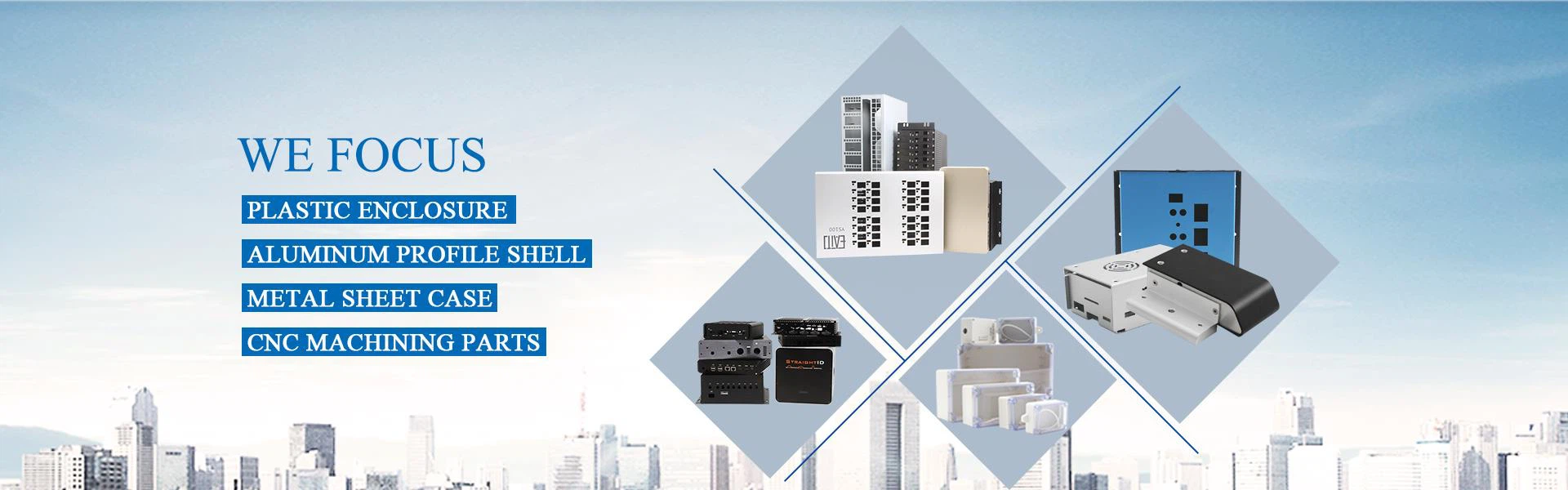
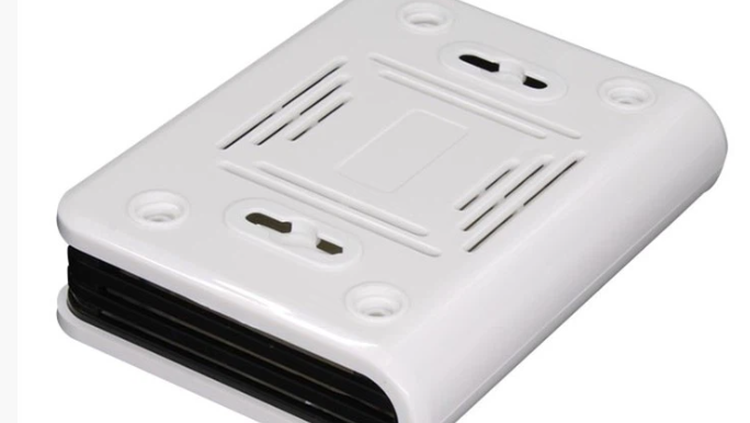
Plastic enclosures are containers designed to shield and house electronic components. Typically molded into various shapes to meet product specifications, plastic materials offer flexibility and are lightweight, making them ideal for creating portable devices.

Why choose us
01
Our Factory
Hongfa Shunda, located in Shenzhen, China, has a 5,000 square meter production facility that includes plastic injection production lines and CNC milling production lines.
02
Production Equipment
The company has several production lines and pieces of equipment, including injection machines, CNC machines, bending machines, laser cutting machines, and punching machines.
03
Production Market
Our products are sold all over the world, especially in North America, Western Europe, Asia, and Oceania.
04
Our Services
The company provides OEM/ODM custom services for electronic enclosures, including design, drawing, hole cutting, surface treatment, printing, and packing.
-
![Custom plastic electronic enclosures]() Custom plastic electronic enclosuresQuick Detaials:view more
Custom plastic electronic enclosuresQuick Detaials:view more
1. Product name: Custom plastic electronic enclosures
2. Model No: HF-I-27
3. External size: 65(H)*180(W)*260(L)mm
4. Material: ABS or custom
5.... -
![Junction Box Electrical]() Junction Box ElectricalQuick Details:view more
Junction Box ElectricalQuick Details:view more
1. Product Name: Junction Box Electrical
2. Model No: HF-N-119
3. External size: 48*26*15mm
4. Material: ABS or custom
5. Color: black or... -
![Customized ABS Engineering Plastic Small PCB Electric Control Box - Industrial Grade Wiring Control Box Solution]() Customized ABS Engineering Plastic Small PCB Electric Con...This series is a special protective housing for PCB circuit boards, suitable for electrical connections and control systems of industrial automation, intelligent equipment and precision...view more
Customized ABS Engineering Plastic Small PCB Electric Con...This series is a special protective housing for PCB circuit boards, suitable for electrical connections and control systems of industrial automation, intelligent equipment and precision...view more -
![Manufacturer Customized ABS Material IP54 Small Black Plastic Boxes Enclosure For Electronic Device]() Manufacturer Customized ABS Material IP54 Small Black Pla...Custom ABS Material Small Black PCB Electric Case Plastic Junction Control Box Case Enclosure: Product Type: PCB Electric Case: This indicates that the enclosure is designed to house and...view more
Manufacturer Customized ABS Material IP54 Small Black Pla...Custom ABS Material Small Black PCB Electric Case Plastic Junction Control Box Case Enclosure: Product Type: PCB Electric Case: This indicates that the enclosure is designed to house and...view more -
![Network Plastic WIFI ABS Box Enclosure]() Network Plastic WIFI ABS Box EnclosureThis is a Light Grey electronic shell made of ABS material. We are a factory have over 20 years experience in the product of electronic shell. We have excellent quality and competitive price. Hope...view more
Network Plastic WIFI ABS Box EnclosureThis is a Light Grey electronic shell made of ABS material. We are a factory have over 20 years experience in the product of electronic shell. We have excellent quality and competitive price. Hope...view more -
![Plastic Injection Enclosure Handheld With Battery]() Plastic Injection Enclosure Handheld With BatteryPlastic injection enclosure handheld with battery Model:HF-M-13 Size: 135*70*24mm Handheld: Yes Battery: for three batteries 1. The product is too expensive, can you make it cheaper for me? Yes,...view more
Plastic Injection Enclosure Handheld With BatteryPlastic injection enclosure handheld with battery Model:HF-M-13 Size: 135*70*24mm Handheld: Yes Battery: for three batteries 1. The product is too expensive, can you make it cheaper for me? Yes,...view more -
![Injection ABS Plastic Enclosure Electronic Box]() Injection ABS Plastic Enclosure Electronic BoxThis is an injection abs plastic enclosure,with size 110*80*25mm,glossy surface,include black and white color.It is used for wifi router,smart home device etc.Can customize the cutouts,print logo etc.view more
Injection ABS Plastic Enclosure Electronic BoxThis is an injection abs plastic enclosure,with size 110*80*25mm,glossy surface,include black and white color.It is used for wifi router,smart home device etc.Can customize the cutouts,print logo etc.view more -
![Screwless ABS Plastic Electronic Project Box]() Screwless ABS Plastic Electronic Project BoxThis is a screwless plastic enclosure,with size 119*56*30mm,the stock color is black,other colors can be customized as required.Also supply cutting holes,printing logo etc custom service.view more
Screwless ABS Plastic Electronic Project BoxThis is a screwless plastic enclosure,with size 119*56*30mm,the stock color is black,other colors can be customized as required.Also supply cutting holes,printing logo etc custom service.view more -
![Customized Projects Electronic Box New Manufacture Plastic Enclosure]() Customized Projects Electronic Box New Manufacture Plasti...ABS plastic enclosure instrument control box network electronics case shellview more
Customized Projects Electronic Box New Manufacture Plasti...ABS plastic enclosure instrument control box network electronics case shellview more -
![Plastic Case For Instrument Device ABS Electrical Project Case]() Plastic Case For Instrument Device ABS Electrical Project...It is applicable to indoor and outdoor electrical device, communication, fire-fighting facilities, steel smelting, petrochemical, electronics, electric power, railway, construction site, mine,...view more
Plastic Case For Instrument Device ABS Electrical Project...It is applicable to indoor and outdoor electrical device, communication, fire-fighting facilities, steel smelting, petrochemical, electronics, electric power, railway, construction site, mine,...view more -
![Plastic Junction Box Connection Case Enclosure]() Plastic Junction Box Connection Case EnclosureThis is a Black/White electronic case made of ABS. We are a factory have over 20 years experience in the product of electronic shell. We have excellent quality and competitive prices. Hope we can...view more
Plastic Junction Box Connection Case EnclosureThis is a Black/White electronic case made of ABS. We are a factory have over 20 years experience in the product of electronic shell. We have excellent quality and competitive prices. Hope we can...view more -
![Handheld Plastic Instrument Enclosure Plastic Case]() Handheld Plastic Instrument Enclosure Plastic CaseThis is a Light Grey electronic shell made of ABS material. We are a factory have over 20 years experience in the product of electronic shell. We have excellent quality and competitive price. Hope...view more
Handheld Plastic Instrument Enclosure Plastic CaseThis is a Light Grey electronic shell made of ABS material. We are a factory have over 20 years experience in the product of electronic shell. We have excellent quality and competitive price. Hope...view more


Plastic enclosure with different applications case,desktop instrument case,din rail box,wifi router enclosure,handheld enclosure etc.
What are the advantages of plastic enclosures?
There are several advantages of plastic enclosures. Some of the key advantages include:
1. Cost-effective: Plastic enclosures are generally cheaper to manufacture compared to enclosures made of other materials like metal or glass. This makes them a cost-effective option for a variety of applications.
2. Lightweight: Plastic enclosures are lightweight, which makes them easy to handle and install. This is especially beneficial when the enclosure needs to be moved or transported.
3. Durable: Modern plastics are designed to be strong and durable, able to withstand various environmental conditions. Plastic enclosures can resist impact, temperature extremes, UV rays, and chemicals, making them suitable for both indoor and outdoor applications.
4. Versatile: Plastic can be molded into a variety of shapes and sizes, offering flexibility in enclosure design and customization. It can also be manufactured in different colors to match specific branding or aesthetic requirements.
5. Electrical insulation: Plastic is an excellent electrical insulator, providing safety and protection to electronics and electrical components inside the enclosure. It avoids electrical shocks and reduces the risk of short-circuits.
6. Corrosion resistance: Unlike metal enclosures, plastic enclosures are not susceptible to corrosion, rust, or oxidization. This makes them ideal for use in areas with high humidity, coastal regions, or industrial environments where exposure to chemicals and moisture may occur.
7. Easy modification: Plastic enclosures can be easily modified or adapted as per the specific needs of a particular project. Holes, cutouts, or openings can be added or adjusted with relative ease.
Design of Plastic Enclosures


When designing plastic enclosures, several factors need to be considered:
Plastic Material Type
A variety of plastic materials can be used for electronic enclosures, with some being used alone while others may be combined. The choice of plastic depends on the specific requirements of the application. For more demanding uses, high-density polyethylene (HDPE) is often selected due to its robustness as a thermoplastic material.
HDPE is valued for its resistance to cold, liquids, and corrosion, as well as its durability, resistance to high temperatures, and cost-effectiveness in production. Other plastics commonly used include acrylic, polyvinyl chloride (PVC), polypropylene, acrylonitrile butadiene styrene (ABS), styrene ethylene butadiene styrene (SEBS), and polyamide (PA).
Here are some commonly used materials for manufacturing plastic electronic enclosures:
Acrylonitrile Butadiene Styrene (ABS): ABS is effective for manufacturing plastic enclosures, particularly in environments where chemical resistance and impact shielding are required. However, ABS has poor resistance to ultraviolet (UV) light, making it more suitable for indoor enclosures.
Acrylonitrile Styrene Acryl Ester (ASA): ASA is used in applications such as food manufacturing, healthcare, and laboratory facilities due to its antimicrobial properties. It is well-protected against fungi and viruses and can be mounted in areas prone to bacterial growth.
Combination of Polycarbonate and Acrylonitrile Styrene Acryl Ester: Combining different materials can result in superior electronic enclosures. When polycarbonate is combined with ASA, the enclosure gains flame resistance, high-temperature durability, weather and chemical resistance, and impact protection, making it suitable for outdoor environments. However, these combined materials tend to be more expensive.
Carbon Neutral Bioplastic: This new type of biodegradable plastic is suitable for soft case enclosures. Made from naturally occurring materials, carbon neutral bioplastics are certified biodegradable, making them an eco-friendly option.
What Are the Plastic Enclosure Applications?
Plastic enclosures are applications across a wide range of industries and products due to their versatility, durability, and cost-effectiveness. In the next parts, we will introduce some common plastic enclosure applications:

Plastic Enclosure Applications in Electronics Industry
Consumer Electronics: Plastic enclosures are widely used in consumer electronics such as smartphones, tablets, and laptops to house electronic components and protect them from damage.
Industrial Control Systems: In industrial settings, plastic enclosures house control panels, PLCs (Programmable Logic Controllers), and other electronic devices, providing protection against dust, moisture, and electrical interference.
Telecommunications: Plastic enclosures are utilized in telecommunications equipment such as routers, modems, and networking devices to ensure the reliability and performance of communication systems.
Plastic Enclosure Applications in the Automotive Sector
Vehicle Electronics: Plastic enclosures are employed in automotive electronics, including engine control units (ECUs), sensors, and infotainment systems, providing protection against vibration, moisture, and temperature fluctuations.
Exterior Lighting: LED lighting systems in vehicles often feature plastic enclosures due to their durability, lightweight construction, and resistance to UV radiation and harsh weather conditions.
Electric Vehicle (EV) Charging Stations: Enclosures for EV charging stations are typically made from durable plastics, offering protection for the internal components and ensuring safe operation in outdoor environments.

Plastic Enclosure Applications in Medical Devices
Diagnostic Equipment: Plastic enclosures house medical diagnostic devices such as ultrasound machines, blood analyzers, and imaging systems, safeguarding sensitive electronic components and ensuring sterile operation.
Patient Monitoring Devices: Enclosures for patient monitoring devices, such as ECG monitors and pulse oximeters, provide protection against contamination and physical damage, ensuring the accuracy and reliability of patient data.
Portable Medical Devices: Plastic enclosures are used in portable medical devices such as insulin pumps, nebulizers, and wearable health trackers, providing lightweight and durable housing for on-the-go healthcare solutions.
Plastic Enclosure Applications in Outdoor Equipment
Outdoor Lighting Fixtures: Plastic enclosures are commonly used in outdoor lighting fixtures such as streetlights, floodlights, and garden lights, offering weatherproof protection for electrical components and ensuring long-term reliability.
HVAC Systems: Enclosures for heating, ventilation, and air conditioning (HVAC) systems are often made from durable plastics, providing protection against moisture, dust, and temperature extremes in industrial and commercial settings.
Agricultural Machinery: Plastic enclosures are utilized in agricultural equipment such as irrigation controllers, crop monitoring systems, and agricultural drones, offering rugged protection for electronics in demanding outdoor environments.Is there any grammatical error in this passage? Is it a literal translation from Chinese to English? If there are any errors, please correct the grammar without changing the original mea.

Common Plastic Enclosure Materials
Each plastic material offers unique properties suited to specific applications, ranging from electronics and automotive to industrial and consumer goods. Here are some common types of plastic enclosure materials:
ABS (Acrylonitrile Butadiene Styrene)
ABS is known for its excellent impact resistance, strength, and affordability. It’s easy to mold and machine, making it a popular choice for manufacturing enclosures.
● Characteristics: ABS exhibits good chemical resistance, particularly to acids and alkalis. It’s available in various colors and finishes, providing flexibility in design.
● Applications: Commonly used in consumer electronics, automotive components, and household appliances due to its durability and versatility.
PC (Polycarbonate)
Polycarbonate boasts exceptional impact resistance and transparency, making it ideal for applications requiring visibility and protection against impacts.
● Characteristics: It offers high heat resistance, flame retardancy, and excellent electrical insulation properties. Polycarbonate is lightweight yet highly durable.
● Applications: Widely used in electrical enclosures, outdoor lighting fixtures, safety goggles, and automotive headlamp lenses.
PVC (Polyvinyl Chloride)
PVC is valued for its chemical resistance, affordability, and ease of processing. It can be rigid or flexible, depending on the formulation.
● Characteristics: PVC is resistant to corrosion, moisture, and some chemicals. It can withstand a wide range of temperatures and is relatively low in cost.
● Applications: PVC enclosures are found in electrical conduits, plumbing fixtures, window profiles, and medical devices due to their versatility and cost-effectiveness.
PE (Polyethylene)
Polyethylene is renowned for its chemical resistance, toughness, and flexibility. It is available in various grades, including high-density polyethylene (HDPE) and low-density polyethylene (LDPE).
● Characteristics: Polyethylene is lightweight, moisture-resistant, and has good electrical insulation properties. It is also resistant to impact and environmental stress cracking.
● Applications: Used in outdoor enclosures, water tanks, chemical storage containers, and packaging materials due to its durability and resistance to environmental factors.
PA (Nylon)
Nylon offers excellent strength, abrasion resistance, and dimensional stability. It is known for its toughness and ability to withstand dynamic loads.
● Characteristics: Nylon has low friction coefficients and good chemical resistance. It is also resistant to moisture absorption and exhibits self-lubricating properties.
● Applications: Commonly used in industrial enclosures, machinery components, gears, bearings, and automotive parts requiring high strength and durability.
PC+ABS Blend (Polycarbonate + Acrylonitrile Butadiene Styrene Blend)
This blend combines polycarbonate and ABS, offering excellent flame resistance (UL94 5VB) and the ability to withstand corrosive conditions.
● Characteristics: PC+ABS blends have the high impact resistance and heat resistance of polycarbonate, along with excellent dimensional stability and surface finish.
● Applications: Commonly used in automotive interior and exterior components, electronics enclosures, and consumer goods where a balance of strength and aesthetics is required.
Design Guidelines And Tips For Plastic Enclosures
Today there are many ways to do everything. Similarly, there are some basics to create a good design for plastics as well. You just need to know and apply them in a right direction. Below are the design guidelines and tips for plastic enclosures:
Design: The very first thing that you should keep in mind is the overall quality of the product. Design is the key factor to be focused. It should be different and more appealing as compared to others.
Details: You should keep in mind all the details regarding the product. For example a medical product must have different design as compared to the kitchen product. So all the necessary details should be considered.
Speed: Time is one of the key factors to be managed as well. It all goes well if you jump in with the right thing and right timing. Continue with your product with normal speed. Neither rush to launch it without proper testing nor take too much time as well.
Phases/processes that should be kept in mind while designing plastic enclosures:
1) Prototype: Once you are finished with the design part, you need to make a sample of the product. This is called the prototype of the product. When you build a prototype, it is then you can test the product for its pluses and minuses. Therefore, you need to design a product that is easy to build and test as well.
2) Mold Construction: Being a designer, you should know the complexities, limitations and boundaries of a molding process. This process is preferably used when a whole lot of plastic products are made.
3) Manufacture: It is the most cost effective phase. Your design should be easy to produce and easily malleable. Since manufacturing is the most costly process, therefore, your design should be fool proof to meet all the challenges of this phase.
4) Assemble and Decorate: Decoration is the phase that needs more attention in your design because in this process product is initially packed and aligned properly.
5) Inspection: It is the process that is done to find out all kinds of flaws and shortcomings of the product and to remove if any.
6) Packaging and Shipping: Packing and shipping is the phase that needs more attention in your design because seeing is believing. Good design and appealing packing attracts more consumers.
Our Factory
Shenzhen Hongfa Shunda Mould Co.,Ltd is a manufacturer of plastic and hardware molds and enclosures,located in Shenzhen China,and have more than 20 years industry experience.
Mainly engaged in the design, production and sales of electronic enclosures, providing one-stop enclosure solutions for electronic products.
Our main products include: plastic injection molds,plastic enclosures,aluminum extruded box,sheet metal enclosures,die casting aluminum case,waterproof junction box,CNC milled parts etc.


FAQ
We're professional plastic enclosure manufacturers and suppliers in China, specialized in providing high quality custom service. We warmly welcome you to wholesale hot sale plastic enclosure at competitive price from our factory.
vandal resistant plastic enclosure, screen plastic enclosure, conductive plastic enclosure
