


In the digital age, network security stands as a cornerstone for the smooth operation of various systems, from small - scale home networks to large - scale corporate and industrial setups. As a leading supplier of network enclosures, I've witnessed firsthand how these seemingly simple components can have a profound impact on network security.
Physical Protection
One of the most direct impacts of a network enclosure is physical protection. Network devices such as routers, switches, and servers are vulnerable to physical damage from various sources, including accidental knocks, environmental factors like dust and moisture, and even malicious tampering.
A well - designed network enclosure acts as a shield against these threats. For instance, our Network Plastic Electronics ABS Router Box is made of high - quality ABS material, which is not only durable but also resistant to impacts. This means that the delicate internal components of the router are protected from accidental bumps and drops. In an industrial environment, where heavy machinery is in operation, the risk of physical damage to network devices is significantly higher. Network enclosures can safeguard these devices, preventing disruptions to the network due to hardware failures.
Moreover, enclosures can protect against environmental factors. Dust and moisture can accumulate inside network devices over time, leading to corrosion of electronic components and short - circuits. Our enclosures are designed with proper ventilation and sealing mechanisms. The ventilation allows for heat dissipation, which is crucial for the proper functioning of network devices, while the sealing prevents dust and moisture from entering. This extends the lifespan of the network devices and reduces the likelihood of security vulnerabilities caused by hardware malfunctions.
Access Control
Network enclosures also play a vital role in access control. Unauthorized access to network devices can lead to serious security breaches, such as data theft, network disruption, and the installation of malware. By enclosing network devices, we can limit physical access to them.
For example, our Abs Material Small Size Can Be Customized Card Reader can be integrated into the enclosure design. This allows only authorized personnel with the appropriate access cards to open the enclosure and access the network devices inside. In a corporate setting, where sensitive data is transmitted and stored on the network, this kind of access control is essential. It ensures that only IT administrators and authorized technicians can physically interact with the network infrastructure, reducing the risk of insider threats and unauthorized modifications to the network devices.
In addition, enclosures can be equipped with locks and tamper - proof mechanisms. Locks prevent casual access, while tamper - proof mechanisms can detect any unauthorized attempts to open the enclosure. If an unauthorized attempt is detected, an alarm can be triggered, alerting the security personnel. This early warning system can help prevent security incidents before they occur.
EMI/RFI Shielding
Electromagnetic interference (EMI) and radio - frequency interference (RFI) can disrupt the normal operation of network devices and pose a security risk. EMI and RFI can cause data errors, signal loss, and even complete failure of network devices.
Our network enclosures, such as the Plastic Gas Sensor Housing ABS Electronic Box, can be designed with EMI/RFI shielding capabilities. The enclosure material can be coated with conductive materials or have a metal layer inside to block external electromagnetic and radio - frequency signals. This ensures that the network devices inside the enclosure can operate in a stable electromagnetic environment, reducing the risk of data corruption and network disruptions.
In a modern office environment, there are numerous sources of EMI and RFI, such as mobile phones, Wi - Fi routers, and microwave ovens. Without proper shielding, these sources can interfere with the network devices, potentially leading to security vulnerabilities. For example, data transmitted over the network may be corrupted due to EMI, which can be exploited by attackers to gain unauthorized access to the network.
Thermal Management
Proper thermal management is crucial for the security and performance of network devices. Overheating can cause network devices to malfunction, leading to data loss and security breaches. Network enclosures can help manage the temperature of the devices inside.
Our enclosures are designed with ventilation systems that allow for the efficient dissipation of heat. The ventilation holes are strategically placed to ensure that hot air can escape while cool air can enter. In addition, some enclosures can be equipped with fans or cooling systems to further enhance thermal management.
When network devices operate at optimal temperatures, their performance is improved, and the risk of hardware failures is reduced. This is especially important for high - performance network devices that generate a significant amount of heat, such as servers. Overheating can also cause the degradation of electronic components over time, which can lead to security vulnerabilities. By maintaining a stable temperature inside the enclosure, we can ensure the long - term security and reliability of the network.
Cable Management
Cable management is another aspect where network enclosures can impact network security. Loose cables can be a tripping hazard and can also be easily damaged. In addition, improper cable management can make it difficult to identify and troubleshoot network problems.
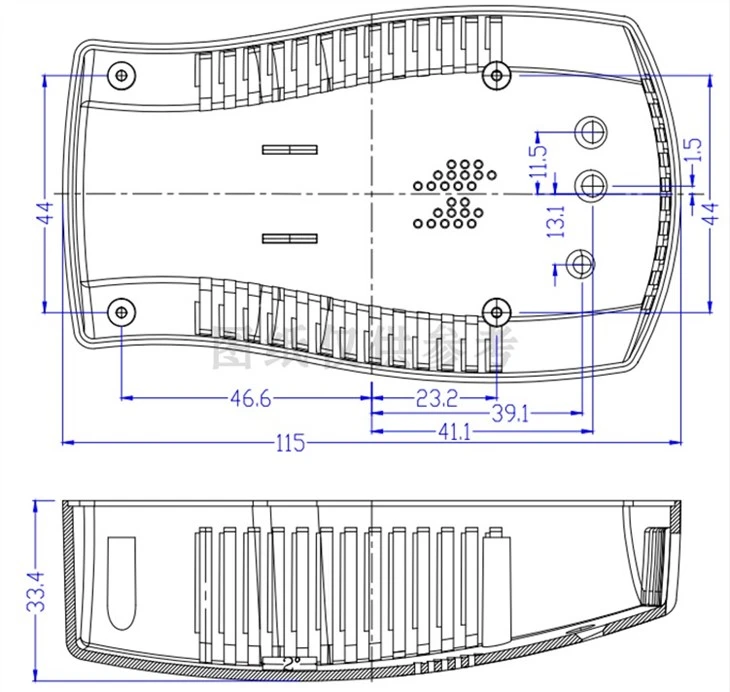
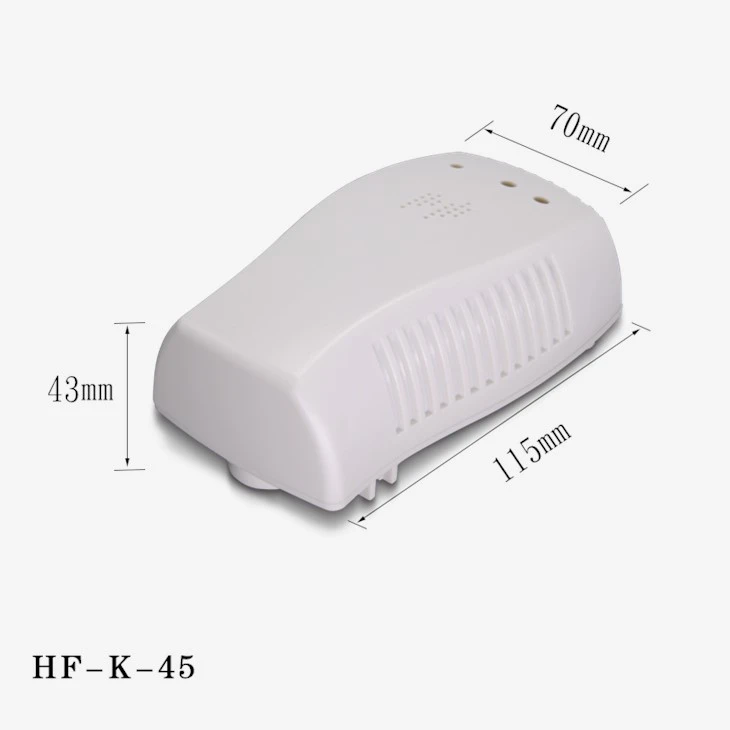
Our enclosures are designed with cable management features, such as cable trays and routing channels. These features keep the cables organized and protected. By organizing the cables, it is easier to identify and isolate network issues, reducing the time required for troubleshooting. Moreover, protected cables are less likely to be damaged, which can prevent network disruptions and security vulnerabilities caused by cable failures.
In a large - scale network infrastructure, where there are numerous cables connecting different devices, proper cable management is essential. It can also prevent unauthorized access to the network through cable tampering. For example, an attacker may try to tap into a network cable to intercept data. By enclosing and organizing the cables, we can reduce the risk of such attacks.
Conclusion
In conclusion, network enclosures have a multi - faceted impact on network security. They provide physical protection, access control, EMI/RFI shielding, thermal management, and cable management. These functions work together to safeguard network devices, ensuring their proper operation and reducing the risk of security breaches.
As a supplier of network enclosures, we are committed to providing high - quality products that meet the diverse needs of our customers. Our enclosures are designed with the latest technologies and materials to offer the best possible protection for network devices.
If you are interested in enhancing the security of your network infrastructure, we invite you to contact us for procurement and further discussions. Our team of experts can provide you with customized solutions based on your specific requirements.
References
- Stallings, W. (2018). Network Security Essentials: Applications and Standards. Pearson.
- Whitman, M. E., & Mattord, H. J. (2018). Principles of Information Security. Cengage Learning.


