


As a trusted supplier of metal enclosures with an IP65 rating, I often get asked about the anti-static performance of these enclosures. In this blog post, I'll delve into the science behind the anti-static capabilities of metal enclosures with IP65 protection, explain why it matters, and how our products provide reliable solutions in this regard.
Understanding IP65 and Its Significance
Before we discuss anti-static performance, it's important to understand what IP65 means. The Ingress Protection (IP) rating system is an international standard used to define the level of protection provided by an enclosure against the intrusion of solid objects (such as dust) and liquids (such as water). The first digit in the IP rating represents protection against solids, with a rating of 6 indicating complete protection against dust ingress. The second digit represents protection against liquids, and a rating of 5 means protection against water jets from any direction.
An IP65-rated metal enclosure is designed to be highly durable and suitable for use in harsh environments where dust and water are present. These enclosures are commonly used in industrial, outdoor, and other demanding applications where the equipment inside needs to be protected from the elements.
The Anti-Static Properties of Metal Enclosures
Metals are generally good conductors of electricity. When it comes to anti-static performance, this conductivity plays a crucial role. Static electricity is the result of an imbalance of electric charges on the surface of an object. When two objects come into contact and then separate, electrons can be transferred from one object to the other, creating a static charge.
In a metal enclosure, the conductive nature of the metal allows any static charges that build up on the surface to be quickly dissipated. This is because the electrons in the metal can move freely, equalizing the charge distribution across the surface of the enclosure. As a result, the risk of static discharge, which can cause damage to sensitive electronic components inside the enclosure, is significantly reduced.
Moreover, metal enclosures can act as a Faraday cage. A Faraday cage is an enclosure made of a conductive material that blocks external electric fields. When an external static charge approaches the metal enclosure, the charges on the surface of the enclosure redistribute themselves in such a way that they cancel out the external electric field inside the enclosure. This provides an additional layer of protection for the electronic equipment housed within.
Factors Affecting Anti-Static Performance
While metal enclosures inherently have good anti-static properties, several factors can affect their overall performance in this regard:
Surface Finish
The surface finish of the metal enclosure can impact its anti-static capabilities. A smooth, polished surface is generally better at dissipating static charges than a rough or textured surface. This is because a rough surface can trap dust and other particles, which can accumulate static charges and potentially interfere with the normal operation of the enclosure.
Coating
Some metal enclosures are coated with a special anti-static coating to enhance their performance. These coatings are designed to reduce the surface resistance of the enclosure, allowing static charges to be dissipated more effectively. Additionally, anti-static coatings can provide protection against corrosion, which can also affect the conductivity of the metal over time.
Grounding
Proper grounding is essential for maximizing the anti-static performance of a metal enclosure. By connecting the enclosure to a ground source, any static charges that build up on the surface can be safely discharged to the ground. Without proper grounding, the static charges may accumulate and eventually cause a discharge, which can damage the electronic components inside the enclosure.
Applications of Metal Enclosures with Good Anti-Static Performance
The anti-static performance of metal enclosures makes them suitable for a wide range of applications, especially those involving sensitive electronic equipment. Here are some examples:
Industrial Automation
In industrial automation systems, electronic controllers, sensors, and other components are often housed in metal enclosures. These enclosures need to provide protection against dust, water, and static electricity to ensure the reliable operation of the equipment. Our metal enclosures with IP65 rating and excellent anti-static performance are ideal for use in industrial automation environments.
Telecommunications
Telecommunication equipment, such as routers, switches, and base stations, is highly sensitive to static electricity. Metal enclosures can help protect these devices from static discharge, which can cause malfunctions or even permanent damage. For more information on our enclosures used in communication projects, you can visit Aluminium Enclosures Are Widely Used in Communication Metro Projects.
Medical Devices
Medical devices require a high level of reliability and safety. Metal enclosures with good anti-static performance can help protect the sensitive electronic components in these devices from static damage, ensuring their proper functioning.
Our Metal Enclosures: A Reliable Solution
As a leading supplier of metal enclosures with IP65 rating, we are committed to providing high-quality products with excellent anti-static performance. Our enclosures are made from high-grade metals and are carefully designed and manufactured to meet the strictest industry standards.
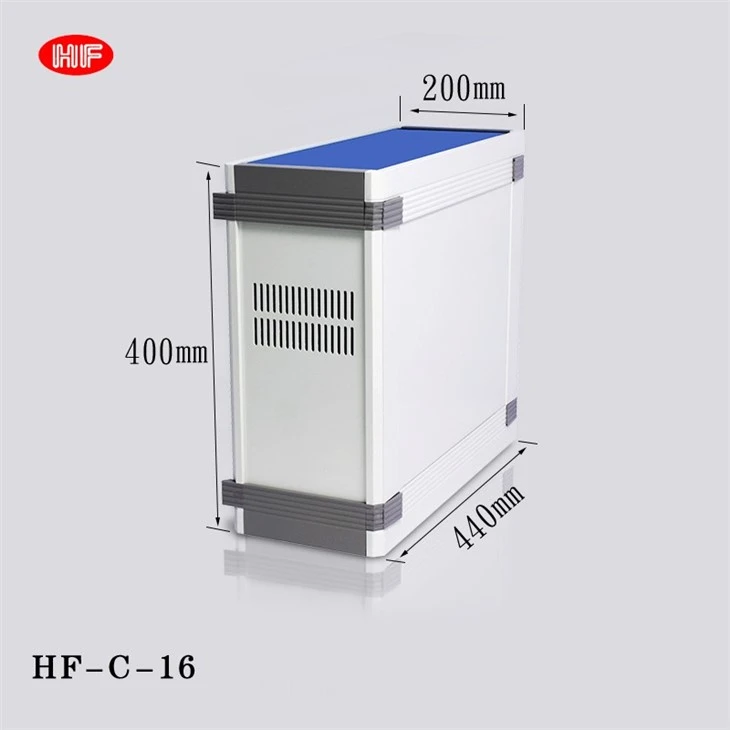

We offer a wide range of metal enclosures, including Metal Electronic Chassis Case Power Box and Electronic Desktop Metal Case Plastic Frame, to meet the diverse needs of our customers. Our enclosures are available in various sizes, shapes, and configurations, and can be customized to suit specific requirements.
In addition to their anti-static performance, our metal enclosures also provide excellent protection against dust, water, and mechanical damage. They are designed to be easy to install and maintain, and come with a range of accessories to enhance their functionality.
Contact Us for Procurement
If you are in need of high-quality metal enclosures with IP65 rating and excellent anti-static performance, we would be delighted to hear from you. Our team of experts can provide you with detailed information about our products, help you select the right enclosure for your application, and answer any questions you may have.
Whether you are looking for a standard enclosure or a customized solution, we have the expertise and resources to meet your needs. Contact us today to start a discussion about your procurement requirements and discover how our metal enclosures can provide reliable protection for your electronic equipment.
References
- International Electrotechnical Commission (IEC). (2001). IEC 60529: Degrees of protection provided by enclosures (IP Code).
- Electrostatic Discharge Association (ESDA). (2016). ANSI/ESD S20.20: Protection of electronic devices from electrostatic discharge - Development of an electrostatic discharge control program.


