


Hey there! As a supplier of network enclosures, I often get asked a bunch of questions from customers. One question that pops up quite a bit is, "Can a network enclosure be used in a high - humidity environment?" Well, let's dive right into this topic and find out.
First off, let's understand what a network enclosure is. A network enclosure is like a protective home for all your network - related equipment. It keeps your routers, switches, and other electronic gadgets safe from all sorts of external factors. And we offer some great options like the Network Plastic Electronics ABS Router Box. It's made of high - quality ABS plastic, which is known for its durability and strength.
Now, high - humidity environments are a whole different ballgame. High humidity means there's a lot of moisture in the air. You know, like in a basement during the rainy season or near a large body of water. Moisture can be a real pain for electronic equipment. It can cause corrosion on metal parts, short - circuit the electrical components, and even promote the growth of mold and mildew.
So, can our network enclosures handle high - humidity conditions? The answer isn't a simple yes or no. It depends on a few factors.
The Material of the Enclosure
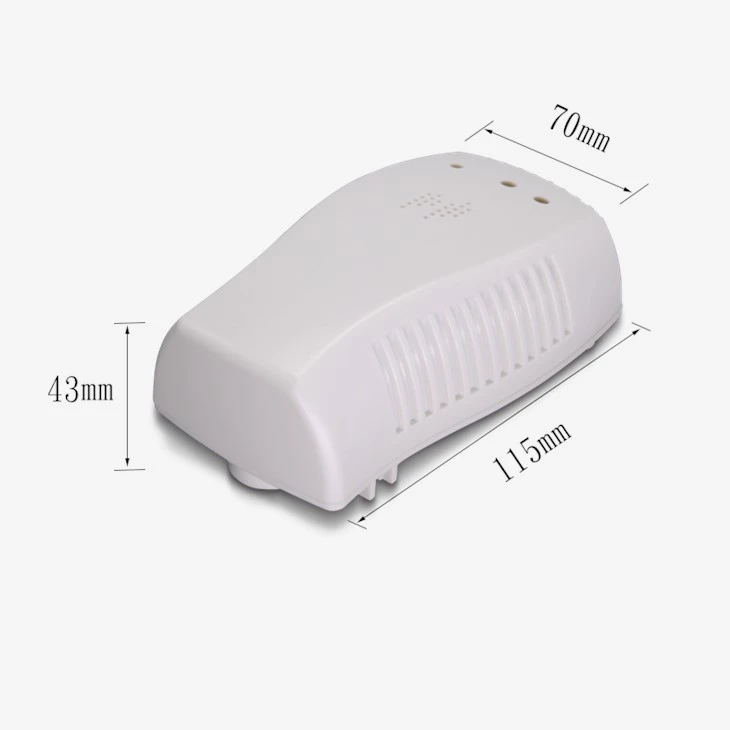
The material used to make the network enclosure plays a huge role. Our enclosures, such as the Plastic Gas Sensor Housing ABS Electronic Box, are made of ABS plastic. ABS is a thermoplastic polymer that has some great properties. It's resistant to water to a certain extent. Unlike metal enclosures, which can rust when exposed to moisture, ABS plastic won't corrode. However, it's important to note that if the humidity is extremely high for a long period, even ABS plastic can absorb some moisture. But this usually happens under really extreme conditions.
Sealing and Gaskets
Another crucial factor is the sealing of the enclosure. A well - sealed enclosure can keep the moisture out. Our enclosures are designed with high - quality gaskets that create a tight seal. These gaskets are made of rubber or silicone materials that are flexible and can conform to the edges of the enclosure. When the enclosure is properly sealed, it acts as a barrier between the electronic equipment inside and the humid air outside. But, over time, the gaskets can wear out, especially if they are exposed to harsh environmental conditions. So, regular inspection and replacement of the gaskets are necessary to maintain the seal.
Ventilation
Ventilation is a double - edged sword in a high - humidity environment. On one hand, proper ventilation is needed to prevent the build - up of heat inside the enclosure. Electronic equipment generates heat, and if the heat isn't dissipated, it can damage the components. On the other hand, if the ventilation openings are not properly designed, they can let in moisture. At our company, we've designed our enclosures with ventilation systems that are protected by filters. These filters allow air to flow in and out while preventing large water droplets from entering. But again, in a very humid environment, it's still possible for some moisture to seep in through the ventilation.
Protective Coatings
Some of our enclosures, like the ABS Electronic Box Plastic Gas Sensor Enclosure, come with protective coatings. These coatings can provide an extra layer of protection against moisture. They can be hydrophobic, which means they repel water. However, these coatings also have a limited lifespan. They can get scratched or worn off over time, reducing their effectiveness.
Monitoring and Maintenance
If you plan to use a network enclosure in a high - humidity environment, monitoring and maintenance are key. You need to regularly check the enclosure for any signs of moisture ingress, such as condensation on the inside walls or rust on the metal parts (if any). You should also check the seals and gaskets for any damage. And don't forget to clean the ventilation filters to ensure proper air circulation.

In some cases, you might need to take additional measures. For example, you could use a dehumidifier in the area where the enclosure is located. This can help reduce the overall humidity level and make it easier for the enclosure to do its job.
So, to sum it up, yes, our network enclosures can be used in high - humidity environments, but with some precautions. We've designed our enclosures to be as resilient as possible, but it's important to understand that the long - term success depends on how well you maintain them.
If you're in a situation where you need a network enclosure for a high - humidity environment, don't hesitate to reach out. We're here to help you choose the right enclosure and provide you with all the support you need. Whether you have questions about installation, maintenance, or just want to learn more about our products, we're just a message away. Let's work together to find the best solution for your network equipment protection needs.
References
- "Handbook of Plastic Materials and Technology" by O. Olabisi
- "Electronics Cooling Technology" by R. Bar-Cohen


