

What is machining?
Machining is the abbreviation for mechanical processing, which refers to the process of precisely changing the external dimensions or properties of a workpiece through mechanical equipment, mainly including cutting and pressure processing.
.
Core concepts and classifications of machining
Definition and Function
Machining (mechanical processing) uses mechanical equipment (such as machine tools) to perform cutting, forming, and other operations on raw materials or semi-finished products, to change their shape, size, or performance, and ultimately obtain parts or products that meet the requirements. Its core functions include:
Realize material removal (such as cutting) or plastic deformation (such as pressure machining).
Suitable for various materials such as metal and plastic, widely used in the manufacturing industry.
Main categories
According to the processing method:
Cutting processing (such as turning, milling): removing material with cutting tools for high precision.
Pressure processing (such as forging and stamping): Using external force to cause plastic deformation of materials, with high efficiency.
According to the degree of automation:
Manual processing: suitable for small batches and simple parts, relying on worker operation.
Numerical Control Machining (CNC): Controlling machine tools through programming, suitable for large-scale production of complex parts.
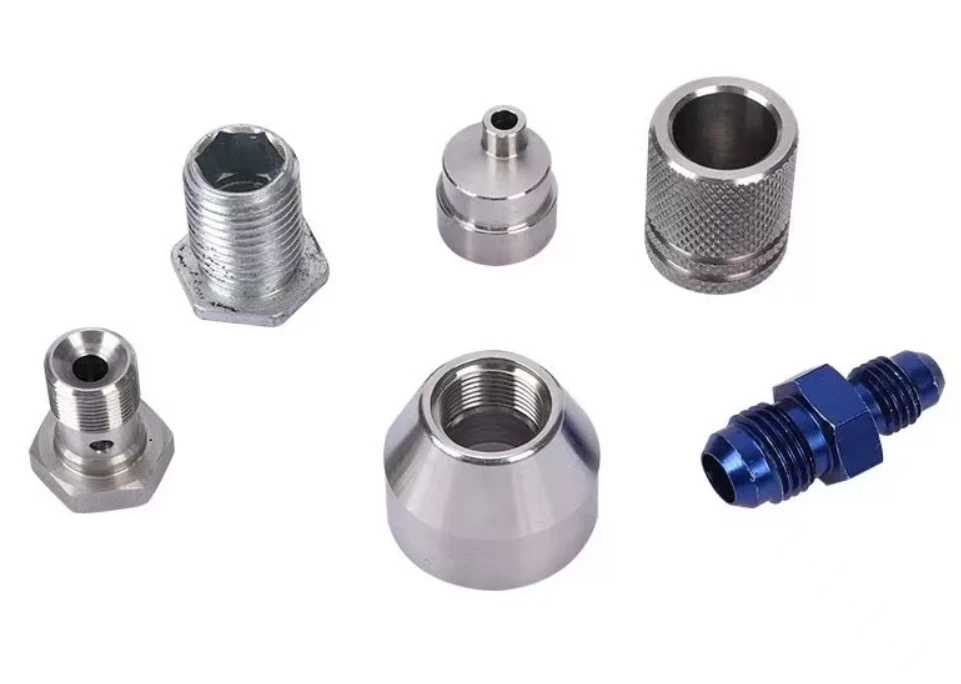
Typical Processes and Applications
Turning: workpiece rotation, tool linear movement, processing cylindrical surfaces, conical surfaces, etc., with an accuracy of up to IT5 level and a roughness of 0.1 μm.
Milling: Rotating cutting tools are used to cut flat or complex contours, including vertical milling, end milling, etc., but they are prone to vibration.
Other processes include drilling, grinding, casting, welding, etc. Different process combinations form a complete production process.
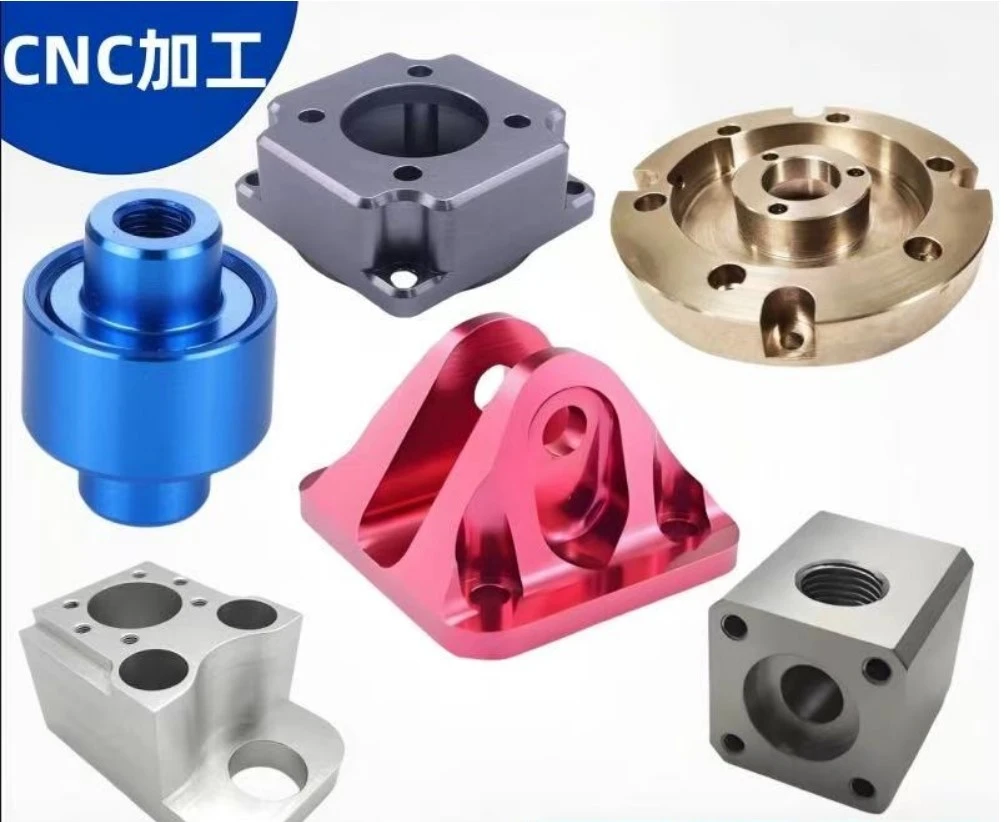
Technological development and industry trends
Digitization and Automation: Modern machining widely adopts CAD/CAM systems with automatic programming (G-code), and CNC equipment has become mainstream.
Integration: The machining workshop is often combined with rear equipment maintenance to ensure production continuity.
Standardization: The operating procedures are strict and require training to ensure safety and quality.
Summary: Machining is the fundamental process of manufacturing, and with technological progress, its high precision and efficiency will further promote industrial development.
Welcome to contact us!

