


Hey there! As a supplier of metal enclosures with an IP65 rating, I often get asked about the materials used in these enclosures. So, I thought I'd take a moment to break it down for you.
First off, let's talk about what IP65 means. The IP (Ingress Protection) code is a standard that defines the level of protection an enclosure provides against solid objects and liquids. The first digit, in this case, 6, indicates complete protection against dust ingress. The second digit, 5, means protection against water jets from any direction. So, an IP65-rated metal enclosure is dust-tight and can withstand water spray without getting damaged.
Now, let's dive into the materials commonly used for these enclosures.
Aluminum
Aluminum is one of the most popular materials for IP65 metal enclosures, and for good reason. It's lightweight, which makes it easy to handle and install. At the same time, it's also quite strong and durable, able to withstand the rigors of various environments.
One of the great things about aluminum is its corrosion resistance. It forms a thin oxide layer on its surface when exposed to air, which protects it from rust and other forms of corrosion. This makes it ideal for outdoor applications or environments where the enclosure might be exposed to moisture or chemicals.
There are different types of aluminum alloys used in enclosure manufacturing. For example, 6061 is a common alloy known for its good strength-to-weight ratio and excellent machinability. It can be easily fabricated into various shapes and sizes, allowing for custom designs to meet specific requirements.

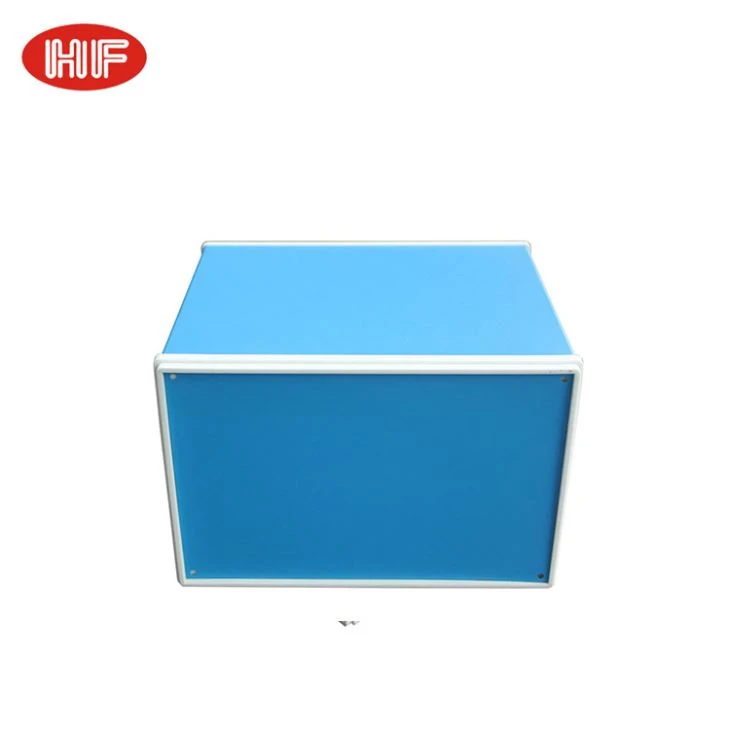
If you're interested in an aluminum enclosure, we have some great options. Check out our Aluminum Sheet Case Equipment Control Box. It's designed for equipment control and offers the protection you need with an IP65 rating.
Steel
Steel is another material that's frequently used for IP65 metal enclosures. It's extremely strong and can provide a high level of physical protection. Steel enclosures are often used in industrial settings where there's a risk of impact or heavy-duty use.
However, steel is more prone to corrosion compared to aluminum. To combat this, it's usually coated with a protective layer. Galvanization is a common process where a layer of zinc is applied to the steel surface. This zinc layer acts as a sacrificial anode, corroding in place of the steel and providing long-term protection.
There are different grades of steel used in enclosure manufacturing, such as mild steel and stainless steel. Stainless steel, in particular, offers excellent corrosion resistance due to the presence of chromium. It's a great choice for environments where hygiene is important, like food processing plants or medical facilities.
Our Aluminum Plastic Electrical Chassis Box also has some steel options available. They are designed to provide reliable protection for electrical components while meeting the IP65 standard.
Plastic-Coated Metals
Sometimes, a combination of metal and plastic is used to create IP65 enclosures. The metal provides the structural strength, while the plastic coating adds an extra layer of protection.
The plastic coating can offer additional benefits such as improved aesthetics, better resistance to scratches, and enhanced chemical resistance. It can also help to reduce the noise and vibration transmitted through the enclosure.
For example, some enclosures have a powder-coated finish. Powder coating is a process where a dry powder is electrostatically applied to the metal surface and then cured in an oven. This creates a durable and uniform coating that adheres well to the metal.
Our Aluminum Chassis Box Metal Junction Case may come with a plastic coating option. It's a great choice for junction applications where you need both protection and functionality.
Other Considerations
When choosing the material for an IP65 metal enclosure, there are a few other factors to keep in mind.
- Thermal Properties: Some applications may require the enclosure to have good thermal conductivity to dissipate heat. Aluminum is a better choice in this regard compared to steel, as it has a higher thermal conductivity.
- Cost: The cost of the material can vary significantly. Aluminum is generally more expensive than mild steel, but it offers better corrosion resistance and a lighter weight. Stainless steel is usually the most expensive option but provides the highest level of corrosion protection.
- Customization: Depending on your specific needs, you may require a custom-designed enclosure. Some materials are more easily customizable than others. Aluminum, for example, can be machined, welded, and formed into complex shapes more readily than steel.
In conclusion, the choice of material for an IP65 metal enclosure depends on a variety of factors, including the application environment, the level of protection required, and budget considerations. Whether you need an aluminum enclosure for its lightweight and corrosion resistance, a steel enclosure for its strength, or a plastic-coated option for added benefits, we have the solutions to meet your needs.
If you're in the market for an IP65 metal enclosure, don't hesitate to reach out for a quote or to discuss your requirements. We're here to help you find the perfect enclosure for your application.
References
- "Handbook of Metal Enclosure Design and Manufacturing"
- "Ingress Protection (IP) Code Standards"


