


Hey there! As a supplier of metal enclosures with an IP65 rating, I often get asked about the UV resistance of these enclosures. So, I thought I'd take a deep dive into this topic and share some insights with you.
First off, let's quickly go over what IP65 means. The IP (Ingress Protection) rating system is used to define the level of protection provided by an enclosure against the intrusion of solid objects and liquids. In the case of IP65, the '6' indicates complete protection against dust ingress, and the '5' means protection against water jets from any direction. This makes IP65 enclosures suitable for a wide range of outdoor and industrial applications.
Now, let's talk about UV resistance. Ultraviolet (UV) radiation from the sun can have a significant impact on the durability and appearance of materials over time. When it comes to metal enclosures, UV rays can cause several issues. For example, they can lead to the degradation of the paint or coating on the enclosure, which can expose the underlying metal to corrosion. This not only affects the aesthetics of the enclosure but also its structural integrity.
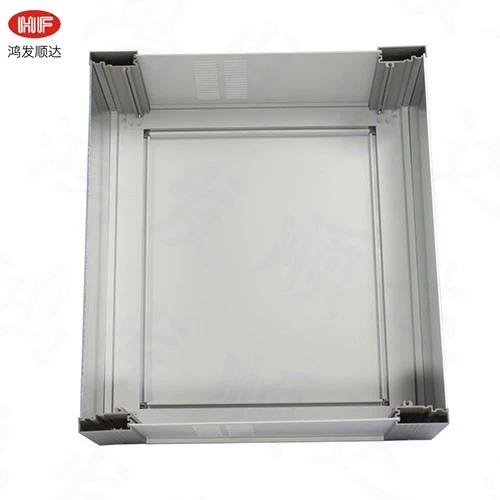

The UV resistance of a metal enclosure IP65 depends on several factors, including the type of metal used, the surface treatment, and the quality of the coating.
Types of Metals and Their UV Resistance
- Aluminum: Aluminum is a popular choice for metal enclosures due to its lightweight, corrosion resistance, and good thermal conductivity. Aluminum itself has a natural oxide layer that provides some level of protection against UV radiation. However, this oxide layer can be thin and may not offer sufficient long - term protection. That's why most aluminum enclosures are coated to enhance their UV resistance. Check out our Aluminum Enclosure Control Case Power Supply for a great example of an aluminum - based enclosure.
- Steel: Steel is strong and durable, but it is more prone to corrosion compared to aluminum. When exposed to UV radiation, the protective coating on steel enclosures can break down, leading to rust. High - quality steel enclosures are often galvanized or powder - coated to improve their UV resistance and prevent corrosion.
Surface Treatments and Coatings
- Powder Coating: Powder coating is a popular choice for metal enclosures. It provides a thick, durable layer of protection against UV radiation, as well as scratches and chemicals. The powder is electrostatically applied to the metal surface and then cured in an oven, creating a hard, smooth finish. A well - applied powder coating can significantly extend the lifespan of a metal enclosure in outdoor environments.
- Anodizing: Anodizing is a process commonly used for aluminum enclosures. It creates a thicker and more durable oxide layer on the surface of the aluminum, which enhances its resistance to UV radiation and corrosion. Anodized aluminum enclosures are available in a variety of colors and finishes, making them both functional and aesthetically pleasing. You can find more about customized anodized enclosures like our Aluminium Enclosures Can Be Customised For Use As Communication And Broadcast System Servers.
Testing UV Resistance
To ensure the UV resistance of our metal enclosures IP65, we conduct various tests. One common test is the accelerated weathering test. In this test, the enclosure samples are exposed to intense UV radiation, heat, and moisture in a controlled environment for a specific period. This simulates years of outdoor exposure in a relatively short time. By analyzing the samples after the test, we can evaluate the performance of the coating and the overall UV resistance of the enclosure.
Real - World Applications
Metal enclosures IP65 with good UV resistance are used in many outdoor applications. For example, in the telecommunications industry, they are used to house equipment such as routers, switches, and power supplies. These enclosures need to withstand harsh weather conditions, including UV radiation, to ensure the reliable operation of the equipment. In the solar energy sector, metal enclosures protect the inverters and other electrical components from the sun's UV rays, as well as dust and water.
Benefits of Good UV Resistance
- Longer Lifespan: Enclosures with high UV resistance last longer, reducing the need for frequent replacements. This saves money in the long run, as you don't have to keep buying new enclosures.
- Reduced Maintenance: Since the coating and the metal are better protected, there is less need for maintenance. You don't have to worry about repainting or treating the enclosure as often.
- Reliable Performance: In applications where the enclosure houses sensitive equipment, good UV resistance ensures that the equipment is protected and can operate reliably over time.
Our Offerings
We offer a wide range of metal enclosures IP65 with excellent UV resistance. Our Sheet Metal Chassis Box Aluminum Case is a prime example. It is made from high - quality aluminum and is powder - coated to provide maximum protection against UV radiation. We also offer customization services, so you can get an enclosure that meets your specific requirements.
If you're in the market for a metal enclosure IP65 with great UV resistance, we'd love to hear from you. Whether you need a standard enclosure or a custom - designed one, we have the expertise and the products to meet your needs. Contact us to start the procurement process and let's discuss how we can provide the perfect solution for your project.
References
- ASTM International. (2018). Standard Practice for Operating Fluorescent Ultraviolet (UV) Lamp Apparatus for Exposure of Nonmetallic Materials. ASTM G154 - 18.
- ISO 4892 - 3:2016. Plastics - Methods of exposure to laboratory light sources - Part 3: Fluorescent UV lamps.


