


As a supplier of 4U Server Chassis, I often get asked about the recommended operating temperature range for these essential components in the data center ecosystem. Understanding the optimal temperature range is crucial for ensuring the longevity, reliability, and performance of servers. In this blog, I'll delve into the details of the recommended operating temperature for 4U Server Chassis and why it matters.
Why Temperature Management is Crucial for 4U Server Chassis
Servers are the backbone of modern businesses, powering everything from cloud computing to data storage and processing. A 4U Server Chassis, which is a standard rack-mountable enclosure that can house multiple server components, generates a significant amount of heat during operation. If this heat is not properly managed, it can lead to a range of issues, including:
- Reduced Component Lifespan: High temperatures can accelerate the wear and tear of server components, such as processors, hard drives, and memory modules. This can lead to premature failure and costly replacements.
- Performance Degradation: Excessive heat can cause servers to throttle their performance to prevent overheating. This can result in slower processing speeds, longer response times, and reduced overall productivity.
- Increased Energy Consumption: When servers overheat, they require more energy to cool down. This not only increases electricity costs but also contributes to environmental pollution.
Recommended Operating Temperature Range for 4U Server Chassis
The recommended operating temperature range for a 4U Server Chassis typically falls between 10°C (50°F) and 35°C (95°F). This range is based on industry standards and best practices, which aim to balance the need for optimal performance and component longevity with the practicalities of data center cooling.

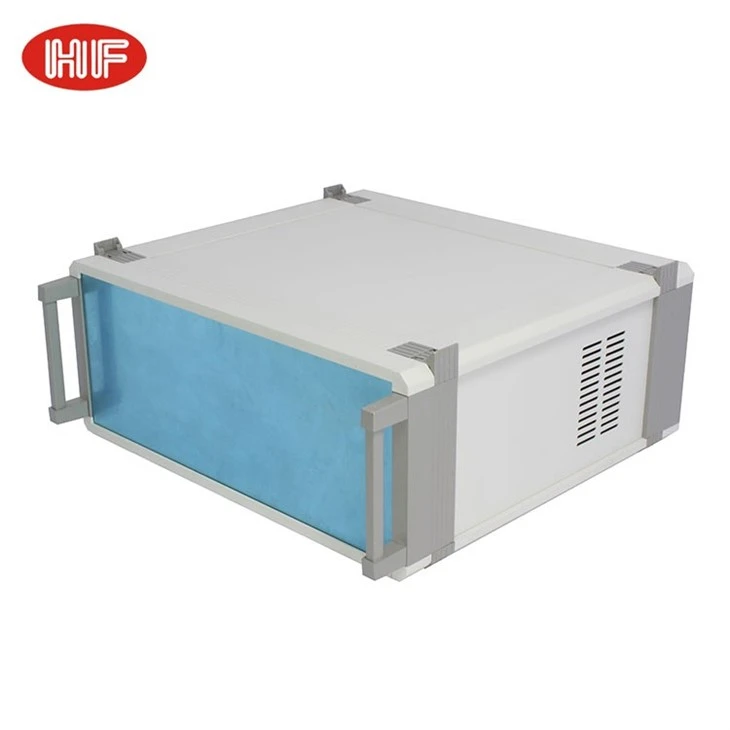
- Lower Temperature Limit (10°C / 50°F): While servers can technically operate at lower temperatures, going below 10°C can cause condensation to form inside the chassis. Condensation can damage electronic components and lead to short circuits, so it's important to maintain a minimum temperature to prevent this from happening.
- Upper Temperature Limit (35°C / 95°F): Operating a 4U Server Chassis above 35°C can significantly increase the risk of component failure and performance degradation. At higher temperatures, the internal components of the server work harder to dissipate heat, which can lead to increased wear and tear and reduced lifespan.
It's important to note that these temperature ranges are general guidelines and may vary depending on the specific model and configuration of the 4U Server Chassis. Some servers may be designed to operate in more extreme temperature conditions, while others may require a more tightly controlled environment.
Factors Affecting the Operating Temperature of 4U Server Chassis
Several factors can affect the operating temperature of a 4U Server Chassis, including:
- Component Density: The more components you pack into a 4U Server Chassis, the more heat it will generate. High-density servers with multiple processors, hard drives, and memory modules require more cooling capacity to maintain optimal temperatures.
- Cooling System Efficiency: The effectiveness of the cooling system in a 4U Server Chassis plays a crucial role in temperature management. A well-designed cooling system with efficient fans and heat sinks can help dissipate heat more effectively and keep the internal components cool.
- Ambient Temperature: The temperature of the surrounding environment can also impact the operating temperature of a 4U Server Chassis. Data centers located in hot climates or areas with poor ventilation may require additional cooling measures to maintain optimal temperatures.
- Airflow Management: Proper airflow management is essential for ensuring that cool air can circulate freely inside the 4U Server Chassis and remove heat from the components. Blocked vents, improper cable management, and overcrowded racks can restrict airflow and lead to hotspots.
Maintaining Optimal Temperature in 4U Server Chassis
To ensure that your 4U Server Chassis operates within the recommended temperature range, it's important to implement effective temperature management strategies, such as:
- Regular Monitoring: Use temperature sensors and monitoring tools to keep track of the internal temperature of your 4U Server Chassis. This will allow you to detect any temperature fluctuations or hotspots early on and take corrective action.
- Proper Ventilation: Ensure that the 4U Server Chassis has adequate ventilation to allow cool air to enter and hot air to exit. Avoid blocking the vents or placing the chassis in enclosed spaces.
- Efficient Cooling Systems: Invest in high-quality cooling systems, such as fans, heat sinks, and liquid cooling solutions, to help dissipate heat more effectively. Make sure that the cooling system is properly sized and configured for your specific server requirements.
- Airflow Optimization: Optimize the airflow inside the data center by arranging the racks in a way that allows for proper ventilation. Use cable management solutions to keep cables organized and prevent them from blocking airflow.
- Environmental Control: Maintain a stable ambient temperature and humidity level in the data center to reduce the workload on the cooling system. Consider using environmental control systems, such as air conditioners and dehumidifiers, to achieve this.
Our 4U Server Chassis and Temperature Management
At our company, we understand the importance of temperature management in 4U Server Chassis. That's why we design and manufacture our servers with advanced cooling technologies and features to ensure optimal performance and reliability in a wide range of operating conditions.
Our 4U Server Chassis are equipped with high-performance fans and heat sinks that are designed to provide efficient cooling even in high-density configurations. We also use advanced airflow management techniques to ensure that cool air can circulate freely inside the chassis and remove heat from the components.
In addition, we offer a range of customization options to meet the specific temperature management requirements of our customers. Whether you need a server with enhanced cooling capacity or a chassis designed for use in extreme environments, we can work with you to develop a solution that meets your needs.
Related Products
If you're interested in other types of enclosures and chassis, we also offer a variety of products, including Metal Case Battery Housing Steel Box, Aluminum Chassis Box Metal Junction Case, and Electronic Aluminum Control Box Sheet Metal Enclosure. These products are designed to provide reliable protection and housing for electronic components in a variety of applications.
Contact Us for Procurement and Consultation
If you're in the market for a 4U Server Chassis or have any questions about temperature management in servers, we'd love to hear from you. Our team of experts is available to provide you with more information, answer your questions, and help you find the right solution for your needs.
Whether you're a small business looking to upgrade your server infrastructure or a large enterprise in need of a custom solution, we have the experience and expertise to deliver high-quality products and services that meet your requirements. Contact us today to start the conversation and take the first step towards optimizing your server performance.
References
- ASHRAE (American Society of Heating, Refrigerating and Air-Conditioning Engineers). Thermal Guidelines for Data Processing Environments.
- Server manufacturers' technical documentation and specifications.


