


When it comes to the world of servers, the 4U server chassis stands as a cornerstone in many data - centers and enterprise setups. As a dedicated 4U server chassis supplier, I've witnessed firsthand the importance of understanding the power output of the power supplies within these chassis. In this blog, I'll delve into the details of what determines the power output of power supplies in a 4U server chassis, and why it matters in the grand scheme of server functionality.
Understanding the Basics of 4U Server Chassis
Before we dive into power supplies, it's essential to understand what a 4U server chassis is. In the realm of server rack units, 1U is equal to 1.75 inches (44.45 mm). A 4U server chassis, therefore, has a height of 7 inches (177.8 mm). These chassis are designed to house multiple server components, including processors, memory modules, storage drives, and, of course, power supplies. They are a popular choice for medium - to - large - scale enterprises due to their balance between size and capacity.
Factors Influencing Power Output Requirements
The power output requirements of the power supplies in a 4U server chassis are influenced by several key factors.
Server Components
The number and type of server components play a significant role. High - performance processors, such as Intel Xeon series, consume a substantial amount of power, especially when they are running at full load. For example, a multi - socket server with two or more high - end processors will require more power compared to a single - socket server.
Memory modules also contribute to the power consumption. DDR4 and DDR5 memory modules, while more energy - efficient than their predecessors, still add to the overall power draw, especially in servers with large amounts of RAM.
Storage drives, whether they are traditional hard disk drives (HDDs) or solid - state drives (SSDs), also require power. HDDs, with their spinning disks, generally consume more power than SSDs. Additionally, the number of drives installed in the chassis impacts the power requirements. A server with multiple HDDs or SSDs for data storage will need a power supply with a higher output.
Server Usage and Workload
The intended usage of the server is another crucial factor. Servers used for high - intensity tasks such as data analytics, virtualization, and artificial intelligence workloads demand more power. These applications often require the server's components to operate at high speeds continuously, resulting in increased power consumption.
On the other hand, servers used for basic file - serving or email - hosting tasks have relatively lower power requirements. The power supply in such servers can be sized accordingly to meet the lower demand, which can also lead to cost savings in terms of energy consumption.
Redundancy and Fault Tolerance
Many 4U server chassis are designed with redundant power supplies for fault tolerance. Redundant power supplies ensure that the server remains operational even if one power supply fails. In a redundant setup, the power supplies are typically configured to share the load, and in some cases, they can operate in a hot - standby mode. This means that the power output of the power supplies needs to be sufficient to handle the full load of the server components even if one power supply fails.
Typical Power Output Ranges
The power output of power supplies in a 4U server chassis can vary widely depending on the factors mentioned above. Generally, power supplies in these chassis can range from 500 watts to 2000 watts or more.
For entry - level 4U servers used for basic tasks, a power supply with an output of around 500 - 750 watts may be sufficient. These servers usually have a single processor, a moderate amount of memory, and a few storage drives.
Mid - range 4U servers, which are commonly used for virtualization and small - to - medium - scale data processing, typically require power supplies with an output of 750 - 1200 watts. These servers may have multiple processors, more memory, and a larger number of storage drives.
High - end 4U servers used for enterprise - level applications such as large - scale data analytics and high - performance computing can have power supplies with outputs of 1200 watts or more. These servers are often equipped with multiple high - performance processors, large amounts of memory, and numerous storage drives, and they may also support additional components such as graphics processing units (GPUs) for specialized tasks.
Importance of Proper Power Output Sizing
Properly sizing the power output of the power supplies in a 4U server chassis is of utmost importance.
Server Performance
If the power supply does not provide enough power, the server components may not operate at their full capacity. This can lead to performance issues, such as slow processing speeds, system crashes, and data loss. For example, if a high - performance processor does not receive sufficient power, it may throttle its performance to avoid overheating, resulting in reduced computational power.
Energy Efficiency
On the other hand, over - sizing the power supply can lead to energy inefficiency. Power supplies are most efficient when they are operating at a certain percentage of their maximum capacity. An oversized power supply will operate at a lower percentage of its capacity, resulting in wasted energy and increased electricity costs over time.
Our Product Offerings
As a 4U server chassis supplier, we understand the importance of providing the right power solutions for our customers. Our chassis are designed to accommodate a variety of power supply options, ensuring that you can choose the power output that best suits your server's requirements.
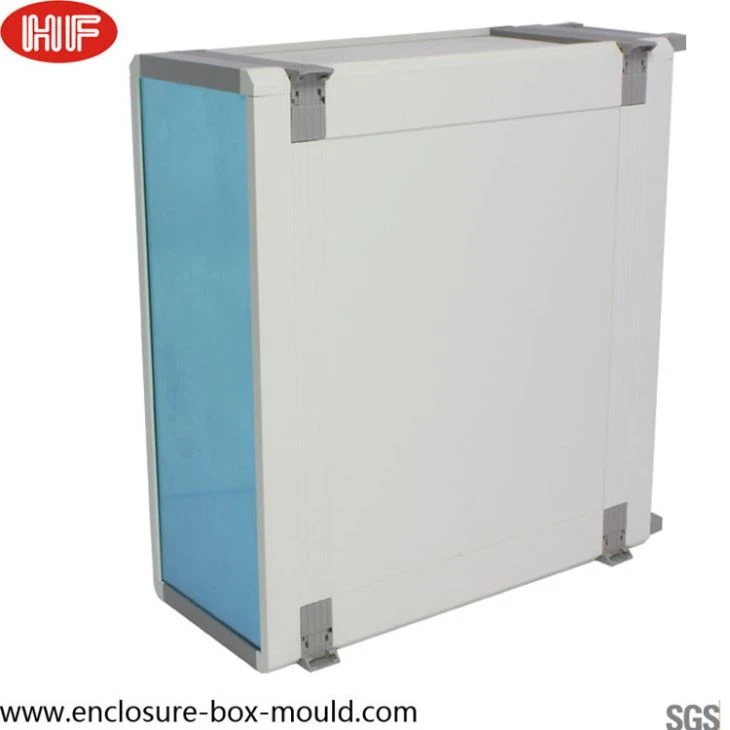
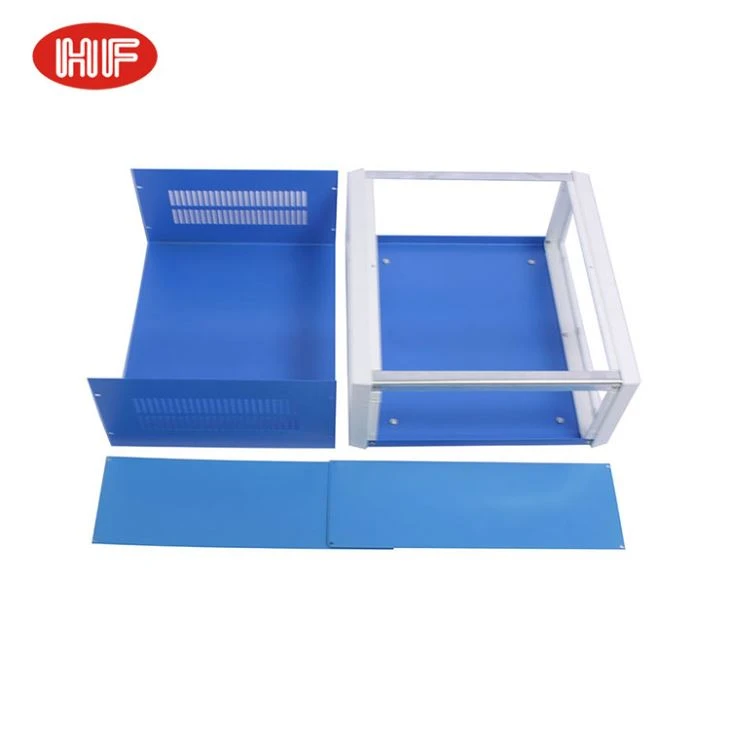
We also offer a range of high - quality enclosures that are compatible with our 4U server chassis. For example, you can explore our Sheet Metal Case Aluminum Raspberry Steel Box, which provides a durable and reliable housing for your server components. Our Sheet metal enclosure aluminum Special shape iron stainless steel case offers a unique and customizable solution for servers with specific design requirements. And our Aluminum Electronic Instrument Chassis is known for its excellent heat dissipation properties, which can further enhance the performance and longevity of your server.
Contact Us for Procurement
If you are in the market for a 4U server chassis and need guidance on the appropriate power supply power output for your specific needs, we are here to help. Our team of experts can provide you with detailed information and advice to ensure that you make the right choice. Whether you are building a new server or upgrading an existing one, we can offer customized solutions to meet your requirements.
References
- Tanenbaum, A. S., & Bos, H. (2014). Modern Operating Systems. Pearson.
- Stallings, W. (2018). Computer Organization and Architecture: Designing for Performance. Pearson.
- Intel Corporation. (2023). Intel Xeon Processor Product Specifications. Retrieved from Intel official website.


