


As a supplier of standard cases, I've witnessed a wide array of scenarios in which customers and even some industry players make common mistakes when handling standard cases. These mistakes can lead to inefficiencies, cost overruns, and sometimes even compromise the quality of the end - product. In this blog, I'll delve into these common mistakes and provide insights on how to avoid them.
1. Inadequate Specification Understanding
One of the most prevalent mistakes is a lack of clear understanding of the case specifications. Standard cases come with a set of predefined dimensions, materials, and performance requirements. Customers often fail to read the technical documents thoroughly and assume that a standard case will fit their needs without proper evaluation.
For instance, the Aluminum Plastic Electrical Chassis Box has specific electrical insulation properties and heat dissipation capabilities. If a customer doesn't consider these factors and uses the case in an environment with high - power electrical components without proper ventilation, it can lead to overheating and potential electrical failures.
To avoid this mistake, it's crucial to carefully review all the technical details provided by the supplier. If there are any ambiguous points, don't hesitate to ask for clarification. Suppliers are usually more than willing to provide additional information and guidance to ensure that the customer selects the right case for their application.
2. Ignoring Customization Limitations
Many customers think that standard cases can be easily customized to fit their exact requirements. While some level of customization is possible, there are limitations. Standard cases are designed to meet a broad range of common needs, and extreme customizations can disrupt the manufacturing process and lead to increased costs and longer lead times.
Take the Sheet Metal 19 Inch 1U 2U 3U 4U Rack Mount for example. Modifying the internal structure of these rack - mount cases too significantly may affect their stability and compatibility with other standard rack components. Customers often underestimate the complexity of these modifications and end up being disappointed when the supplier cannot meet their overly ambitious customization requests.
Before requesting customization, it's important to have an open conversation with the supplier about what is feasible and what the associated costs and timelines will be. This way, you can make informed decisions and avoid unrealistic expectations.
3. Poor Installation and Assembly Practices
Improper installation and assembly are also common mistakes. Standard cases are designed to be assembled in a specific way, and deviating from the recommended procedures can lead to structural weaknesses, misaligned components, and poor overall performance.

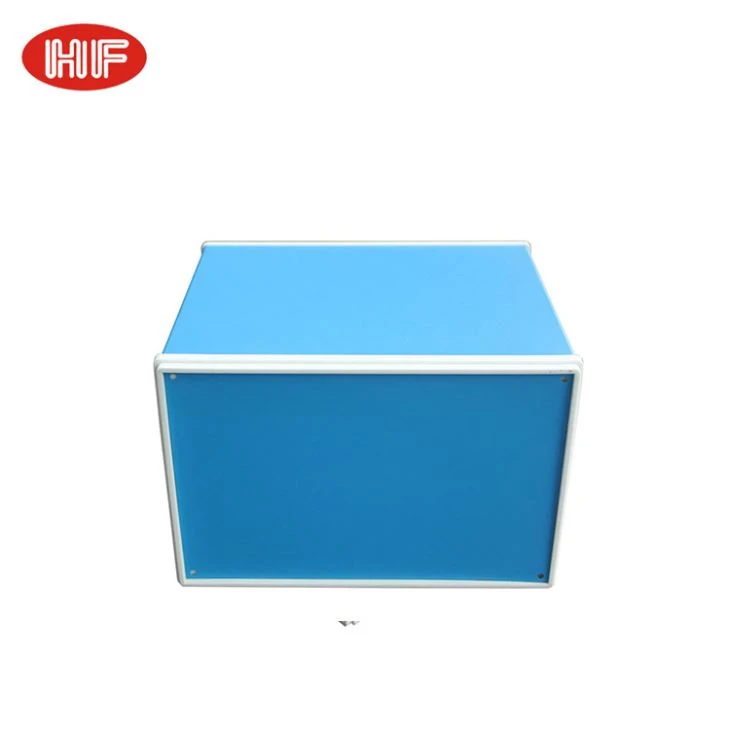
For the Aluminium Enclosures Can Be Customised For Use As Communication And Broadcast System Servers, incorrect installation of the internal brackets and panels can affect the enclosure's ability to protect the sensitive electronic components from environmental factors and electromagnetic interference.
To ensure proper installation, always follow the supplier's installation guidelines. If you are unsure about any step, it's advisable to seek professional help or training. Some suppliers even offer installation support services or on - site training to ensure that the case is installed correctly.
4. Overlooking Maintenance Requirements
Many customers overlook the maintenance requirements of standard cases. Just like any other product, standard cases need regular maintenance to ensure their long - term performance and durability. Failure to perform maintenance can lead to wear and tear, corrosion, and reduced functionality.
For cases made of metal, such as the aluminum and steel cases commonly used in the industry, exposure to moisture and harsh chemicals can cause corrosion. Without proper cleaning and preventive measures, the case may lose its structural integrity over time. Similarly, the ventilation systems in cases that are used for enclosing heat - generating components need to be kept clean to ensure proper heat dissipation.
Develop a regular maintenance schedule and follow it diligently. This may include activities such as cleaning the case, checking for loose screws and connections, and inspecting for signs of damage. By investing a little time in maintenance, you can significantly extend the lifespan of the standard case and avoid costly replacements.
5. Not Considering Compatibility
Compatibility is another area where mistakes are frequently made. When integrating a standard case with other components or systems, it's essential to ensure that there are no compatibility issues. This includes physical compatibility, such as the size and shape of the case fitting into the overall system, as well as electrical and functional compatibility.
For example, if you are using a standard case to house a new generation of electronic components, you need to ensure that the case has sufficient space for the components, proper ventilation for heat dissipation, and appropriate electrical grounding to prevent interference. Failing to consider these compatibility factors can lead to system failures and inefficiencies.
Before making a purchase, carefully assess the compatibility of the standard case with your existing or planned components and systems. If necessary, consult with the supplier or a technical expert to ensure a seamless integration.
6. Underestimating Shipping and Handling
Shipping and handling are often underestimated when it comes to standard cases. These cases can be bulky and heavy, and improper shipping and handling can cause damage. Customers sometimes choose the cheapest shipping option without considering the level of protection provided.
During transit, cases can be subject to rough handling, vibrations, and shocks. If the case is not properly packaged and shipped, it may arrive at the destination with dents, scratches, or internal damage. To avoid this, work with the supplier to determine the best shipping method and packaging materials. Many suppliers offer packaging solutions that are specifically designed to protect their standard cases during transit.
How to Contact Us for Procurement
If you are interested in purchasing our high - quality standard cases and want to avoid the common mistakes mentioned above, we are here to help. Our team of experts can provide you with detailed information, guidance on selection, customization options, and after - sales support. We are committed to ensuring that you get the right standard case for your specific needs.
Don't hesitate to reach out to us for a procurement discussion. We look forward to working with you to find the best solutions for your projects.
References
- Industry best practices in handling standard cases
- Technical documentation of standard cases from leading manufacturers
- Experience and insights gained from years of supplying standard cases to various industries


