


As a sheet metal parts supplier, one of the most critical aspects of our business is optimizing the nesting of sheet metal parts to save material costs. In the highly competitive market of sheet metal manufacturing, efficient material utilization not only reduces expenses but also enhances our competitiveness and sustainability. This blog post will delve into effective strategies for optimizing the nesting of sheet metal parts, drawing from our practical experiences in the industry.
Understanding the Basics of Sheet Metal Nesting
Before we explore optimization strategies, it's essential to understand what sheet metal nesting is. Sheet metal nesting is the process of arranging individual parts on a sheet of metal in the most efficient way possible to minimize waste. The goal is to fit as many parts as you can on a single sheet, reducing the amount of scrap metal left over after cutting.
There are two main types of nesting: manual and automated. Manual nesting relies on the skills and experience of the operator to arrange parts on the sheet. While this method can be effective for simple jobs, it is time - consuming and may not always result in the most efficient use of material. Automated nesting, on the other hand, uses specialized software to calculate the optimal arrangement of parts on the sheet. This method is faster and generally more accurate than manual nesting, especially for complex jobs with many different part shapes and sizes.
Strategies for Optimizing Sheet Metal Nesting
1. Use Advanced Nesting Software
Investing in high - quality nesting software is crucial for optimizing material usage. Modern nesting software can take into account various factors such as part shape, size, orientation, and cutting kerf (the width of the cut made by the cutting tool). For example, some software can rotate parts automatically to find the best fit on the sheet, or group similar parts together to reduce wasted space.
One of the key features of advanced nesting software is its ability to perform multiple iterations of the nesting process. It can try different arrangements of parts on the sheet and select the one that results in the least amount of waste. Additionally, some software can integrate with other manufacturing systems, such as CNC cutting machines, to ensure seamless transfer of the nesting data.
2. Standardize Part Sizes and Shapes
Standardizing part sizes and shapes can significantly improve nesting efficiency. When parts have similar dimensions and geometries, they are easier to arrange on the sheet, reducing the amount of wasted space between parts. As a sheet metal parts supplier, we often work with our customers to modify part designs to make them more suitable for nesting.
For instance, if a customer requires a custom - shaped part, we may suggest simplifying the shape or adjusting the dimensions to better fit with other parts on the sheet. By working closely with our customers during the design phase, we can optimize the part design for both functionality and material efficiency.
3. Consider Batch Production
Batch production allows us to nest multiple copies of the same part or a group of related parts on a single sheet. This approach is more efficient than producing parts one by one, as it reduces the amount of setup time and wasted material between jobs. When planning batch production, we carefully analyze the quantity and size of each part to determine the most efficient way to group them for nesting.
For example, if we have a large order for a particular part, we can nest multiple copies of that part on a single sheet. If there are also smaller orders for related parts, we can try to fit them into the remaining spaces on the sheet. This way, we can maximize the use of the sheet metal and reduce overall material costs.
4. Minimize Cutting Kerf
The cutting kerf is an important factor to consider when nesting sheet metal parts. The wider the cutting kerf, the more material is wasted during the cutting process. To minimize the impact of the cutting kerf on material usage, we use cutting tools with a narrow kerf width and ensure that the cutting process is as precise as possible.
For example, laser cutting is a popular method for sheet metal fabrication because it has a relatively narrow kerf compared to other cutting methods such as plasma cutting. By choosing the right cutting method and optimizing the cutting parameters, we can reduce the amount of material lost due to the cutting kerf.
Case Studies
Let's take a look at some real - world examples of how we have optimized sheet metal nesting to save material costs.
Case 1: Aluminum Chassis Box Metal Junction Case
In a recent project for a customer who needed Aluminum Chassis Box Metal Junction Case, we used advanced nesting software to arrange multiple parts on a single sheet of aluminum. The software was able to rotate and reposition the parts to minimize the amount of wasted space. As a result, we were able to reduce the material usage by 15% compared to the previous method of manual nesting. This not only saved the customer money but also improved our production efficiency.
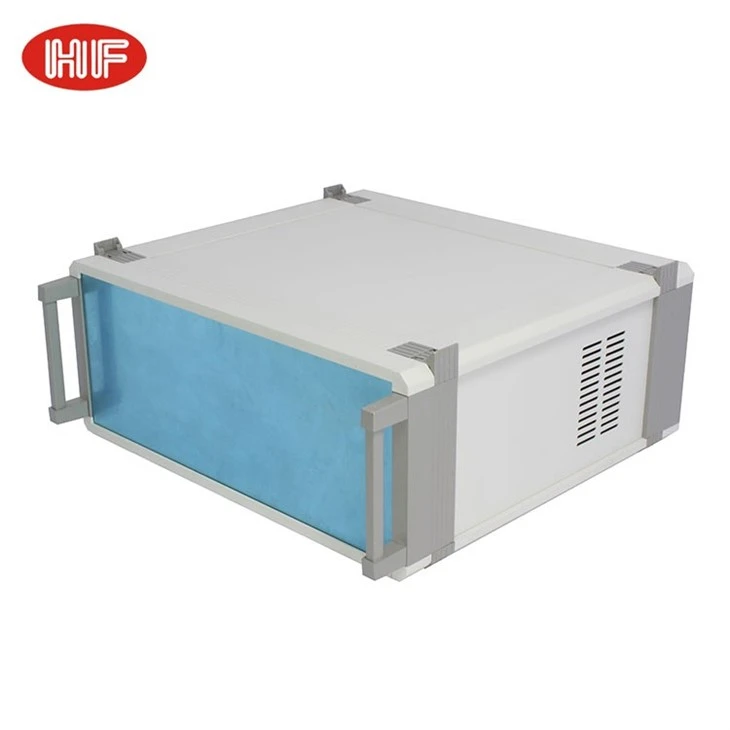
Case 2: Aluminum Profiles Communication Industry Electronic Medical Equipment Testing Chassis Enclosure
For a project involving Aluminum Profiles Communication Industry Electronic Medical Equipment Testing Chassis Enclosure, we worked with the customer to standardize the part sizes and shapes. By making some minor adjustments to the design, we were able to nest the parts more efficiently on the sheet. This led to a 12% reduction in material costs and a shorter production time.
Case 3: Aluminum sheet case set top box
When manufacturing Aluminum sheet case set top box, we implemented batch production and optimized the cutting kerf. By nesting multiple boxes on a single sheet and using a laser cutting machine with a narrow kerf, we were able to achieve a 18% reduction in material waste. This improvement in material efficiency had a significant impact on the overall cost of the project.
Conclusion
Optimizing the nesting of sheet metal parts is a complex but essential process for sheet metal parts suppliers. By using advanced nesting software, standardizing part sizes and shapes, considering batch production, and minimizing cutting kerf, we can significantly reduce material costs and improve production efficiency. As demonstrated by our case studies, these strategies can lead to substantial savings for both us and our customers.
If you are in the market for high - quality sheet metal parts and want to optimize your material costs, we invite you to contact us for a consultation. Our team of experts is ready to work with you to develop customized solutions that meet your specific needs.

References
- Smith, J. (2020). "Advanced Sheet Metal Fabrication Techniques." Manufacturing Press.
- Johnson, A. (2019). "Optimizing Material Usage in Sheet Metal Nesting." Journal of Manufacturing Technology.
- Brown, C. (2021). "The Impact of Nesting Software on Sheet Metal Production Efficiency." Industrial Engineering Review.


