


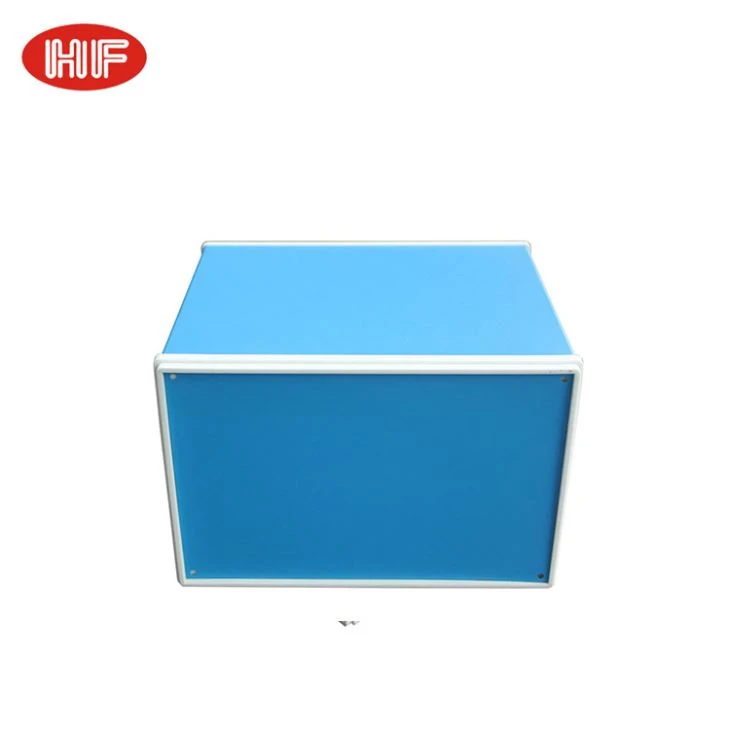
Hey there! I'm a supplier of sheet metal parts, and I know how crucial it is to get the bending of these parts just right. Precision in sheet metal bending can make or break a project, whether it's for an Electronic Sheet Metal Case Aluminum Control Box, an Aluminum Plastic Electrical Chassis Box, or a Diecast Aluminum Extrusion Enclosures Box. In this blog, I'll share some tips and tricks on how to improve the precision of sheet metal parts bending.
Understanding the Basics of Sheet Metal Bending
Before we dive into the tips, let's quickly go over the basics of sheet metal bending. Bending is the process of deforming a sheet metal part to create an angle or a curve. This is typically done using a press brake, which applies force to the sheet metal to bend it. The precision of the bend depends on several factors, including the material properties of the sheet metal, the tooling used, and the bending process itself.
Choose the Right Material
The first step in improving the precision of sheet metal parts bending is to choose the right material. Different materials have different properties, such as hardness, ductility, and elasticity, which can affect the bending process. For example, softer materials like aluminum are easier to bend than harder materials like stainless steel. However, softer materials may also be more prone to deformation and springback, which can affect the precision of the bend.
When choosing a material, consider the specific requirements of your project. If you need a high-precision bend, you may want to choose a material with good ductility and low springback. You should also consider the thickness of the material, as thicker materials may require more force to bend and may be more prone to cracking or splitting.
Use High-Quality Tooling
The tooling used in the bending process can also have a significant impact on the precision of the bend. Using high-quality tooling can help ensure that the bend is consistent and accurate. When selecting tooling, consider the following factors:
- Tooling Design: The design of the tooling should be optimized for the specific material and thickness of the sheet metal being bent. This can help reduce the risk of deformation and springback.
- Tooling Quality: High-quality tooling is typically made from durable materials and is precision-machined to ensure accurate bends. Investing in high-quality tooling can help improve the precision of your bends and reduce the risk of tooling wear and tear.
- Tooling Maintenance: Regular maintenance of the tooling is essential to ensure its continued performance. This includes cleaning, lubricating, and inspecting the tooling for signs of wear or damage.
Optimize the Bending Process
In addition to choosing the right material and tooling, optimizing the bending process itself can also help improve the precision of the bend. Here are some tips to help you optimize the bending process:
- Program the Press Brake: Modern press brakes are equipped with advanced programming capabilities that allow you to precisely control the bending process. By programming the press brake, you can ensure that the bend is consistent and accurate.
- Use Backgauge Systems: Backgauge systems are used to position the sheet metal accurately in the press brake. By using a backgauge system, you can ensure that the bend is located in the correct position on the sheet metal.
- Control the Bending Speed: The speed at which the sheet metal is bent can also affect the precision of the bend. Bending too quickly can cause the material to deform or spring back, while bending too slowly can increase the risk of cracking or splitting. Experiment with different bending speeds to find the optimal speed for your specific material and thickness.
- Minimize Springback: Springback is the tendency of the sheet metal to return to its original shape after being bent. This can affect the precision of the bend and make it difficult to achieve the desired angle or curve. To minimize springback, you can use techniques such as overbending or using a die with a smaller radius.
Conduct Regular Quality Checks
Finally, conducting regular quality checks is essential to ensure that the precision of the sheet metal parts bending is maintained. This includes inspecting the bends for accuracy, consistency, and surface finish. You should also measure the dimensions of the bent parts to ensure that they meet the specifications of your project.
If you notice any issues with the precision of the bends, take corrective action immediately. This may involve adjusting the bending process, replacing the tooling, or choosing a different material. By addressing issues early on, you can prevent them from becoming more significant problems and ensure that your sheet metal parts meet the highest standards of quality.

Conclusion
Improving the precision of sheet metal parts bending is essential for ensuring the quality and performance of your products. By choosing the right material, using high-quality tooling, optimizing the bending process, and conducting regular quality checks, you can achieve consistent and accurate bends that meet the specific requirements of your project.
If you're in the market for high-precision sheet metal parts, I'd love to talk to you. As a supplier of sheet metal parts, I have the expertise and experience to help you find the right solution for your needs. Whether you need a single part or a large production run, I can provide you with high-quality sheet metal parts that meet your specifications.
So, if you're interested in learning more about our sheet metal parts or would like to discuss your project in more detail, please don't hesitate to contact me. I look forward to hearing from you!
References
- ASM Handbook, Volume 14A: Metalworking: Bulk Forming, ASM International, 2013.
- Sheet Metal Fabrication Handbook, by Robert W. Fox, Industrial Press, 2010.
- Precision Sheet Metal Bending: Principles and Practice, by John W. Dally and Wallace F. Riley, Society of Manufacturing Engineers, 2007.


