


When it comes to electrical installations in high - altitude areas, ensuring the suitability of NEMA junction boxes is of utmost importance. As a NEMA junction box supplier, I have witnessed firsthand the unique challenges that high - altitude environments pose. This blog will delve into the key factors to consider to guarantee that NEMA junction boxes are perfectly suited for high - altitude applications.
Understanding High - Altitude Environments
High - altitude areas vary significantly from lowland regions in several aspects. The most prominent characteristic is the lower air density. As altitude increases, the air becomes thinner, which directly impacts the cooling and insulation performance of electrical equipment. Additionally, high - altitude locations often experience extreme temperature variations, intense solar radiation, and potentially higher levels of ultraviolet (UV) exposure.
Cooling Performance
In high - altitude areas with lower air density, the convective heat transfer rate is reduced. This means that junction boxes cannot rely as effectively on natural air circulation to dissipate heat. For NEMA junction boxes in high - altitude applications, it is crucial to ensure that they have excellent heat dissipation mechanisms.
One approach is to design the junction box with larger ventilation areas. Adequate vents can enhance the airflow within the box, increasing the convective cooling effect. Moreover, using materials with high thermal conductivity can help transfer heat from the internal components to the outer surface of the box more efficiently. For instance, metal junction boxes may be a good option due to their relatively high thermal conductance.
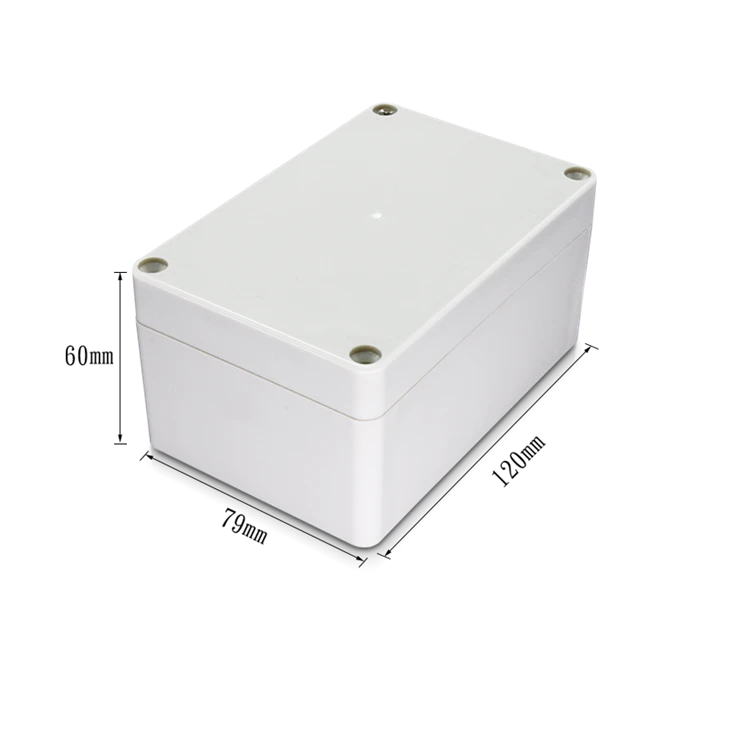
However, metal boxes also have the potential to corrode, especially in high - altitude areas where there might be a presence of more aggressive environmental factors. In such cases, considering composite materials or properly treated metals can mitigate corrosion risks while maintaining good heat transfer properties. Another alternative is to use ABS Plastic Enclosure Electronic Waterproof Box. ABS plastic can provide a certain degree of thermal insulation as well as corrosion resistance, and proper ventilation design can still be incorporated into the plastic enclosure to ensure heat dissipation.
Insulation and Dielectric Strength
The lower air density at high altitudes also affects the dielectric strength of air. Dielectric strength refers to the maximum electric field that a material can withstand without experiencing electrical breakdown. With thinner air, the dielectric strength of the surrounding environment decreases, increasing the risk of electrical arcing and short - circuits within the junction box.
It is essential for NEMA junction boxes used in high - altitude applications to have insulation materials with high dielectric strength. The internal wiring and components should be well - insulated, and the spacing between conductive parts should be increased according to the altitude and the expected electrical voltage. Manufacturers often conduct tests to determine the appropriate insulation distances for different altitude ranges.
For example, if a junction box is designed for use at sea - level, the insulation requirements may not be sufficient for high - altitude use. As a supplier, we often recommend our clients to choose junction boxes with enhanced insulation features, such as additional layers of insulation materials or specially designed insulating barriers. Our Injection Plastic Case Electronic Waterproof Outdoor Box is crafted with high - quality plastic materials that can provide reliable insulation performance even in high - altitude environments.
Resistance to Environmental Factors
High - altitude locations are prone to harsh environmental conditions. Extreme temperature swings can cause materials to expand and contract, potentially leading to cracks in the junction box. Intense solar radiation and UV exposure can degrade the surface of the box over time, reducing its mechanical strength and protective capabilities.
To address these issues, the materials used in NEMA junction boxes should be highly resistant to temperature variations and UV radiation. For plastic junction boxes, UV - stabilized plastics can be employed. These plastics are formulated to withstand long - term exposure to sunlight without significant degradation. Metal boxes can be coated with anti - corrosion and UV - resistant paints to protect the surface from the elements.
In terms of waterproofing, high - altitude areas may also experience snow, ice, and heavy rainfall. Ensuring that the junction box is waterproof is crucial to prevent water ingress, which can damage the internal electrical components. Our ABS Outdoor Waterproof Junction Box is designed with proper sealing mechanisms and watertight construction to provide reliable protection against water in high - altitude outdoor environments.
Mechanical Stability
The thinner air at high altitudes can also affect the mechanical stability of the junction box. Extreme wind conditions are more common in high - altitude areas, and the junction box needs to be able to withstand strong winds without being damaged or displaced.
When designing NEMA junction boxes for high - altitude use, we pay close attention to the structural integrity. Reinforced frames and sturdy mounting systems are essential. The box should be securely attached to its installation surface to prevent it from being shaken or blown away by strong winds. Additionally, the materials should have sufficient strength to resist deformation under high - wind pressures.
Installation and Maintenance Considerations
Proper installation is vital for ensuring the long - term performance of NEMA junction boxes in high - altitude applications. During installation, the junction box should be positioned in a location that minimizes exposure to direct sunlight, wind, and water. It is also important to follow the manufacturer's installation guidelines precisely, especially regarding wiring connections and grounding.
Regular maintenance is equally important. Periodic inspections should be carried out to check for signs of damage, such as cracks, corrosion, or loose connections. Any issues detected should be addressed promptly to prevent further deterioration and potential electrical failures.

Conclusion
Ensuring the suitability of NEMA junction boxes for high - altitude applications requires a comprehensive approach. From optimizing cooling performance and insulation to enhancing resistance to environmental factors and ensuring mechanical stability, every aspect needs to be carefully considered. As a reliable NEMA junction box supplier, we are committed to providing high - quality products that meet the specific requirements of high - altitude environments.
If you are in need of NEMA junction boxes for high - altitude projects, we are more than willing to engage in in - depth discussions with you. We can offer customized solutions based on your specific needs and the unique characteristics of your application. Contact us to start the procurement negotiation process, and let us work together to achieve a successful electrical installation in high - altitude areas.
References
- Rogers, A. (20XX). Electrical Equipment in High - Altitude Environments. Journal of Electrical Engineering, Vol. XX, Iss. XX, pp. XX - XX.
- Smith, B. (20XX). Design Considerations for Junction Boxes in Harsh Environments. Proceedings of the International Conference on Electrical Infrastructure, pp. XX - XX.
- Thompson, C. (20XX). Effect of High - Altitude Conditions on Electrical Insulation Materials. Transactions on Electrical Insulation, Vol. XX, Iss. XX, pp. XX - XX.


