


Labeling equipment in a rack mount enclosure is a crucial task that can significantly enhance the efficiency, safety, and maintainability of your setup. As a reputable Rack mount enclosure supplier, I understand the importance of proper labeling and have extensive experience in guiding customers through this process. In this blog post, I'll share some valuable insights and best practices on how to label the equipment in a rack mount enclosure effectively.
Why Labeling is Important
Before diving into the how-to, let's briefly discuss why labeling is so important. Firstly, clear labels make it easier for technicians and operators to identify and locate specific equipment within the enclosure. This can save a significant amount of time during maintenance, troubleshooting, or upgrades. Secondly, proper labeling enhances safety by providing important information such as voltage ratings, hazard warnings, and emergency shutdown procedures. Lastly, it improves organization and documentation, which is essential for compliance with industry standards and regulations.
Types of Labels
There are several types of labels that you can use to mark the equipment in a rack mount enclosure. The choice of label depends on various factors such as the type of equipment, the environment, and the level of durability required.

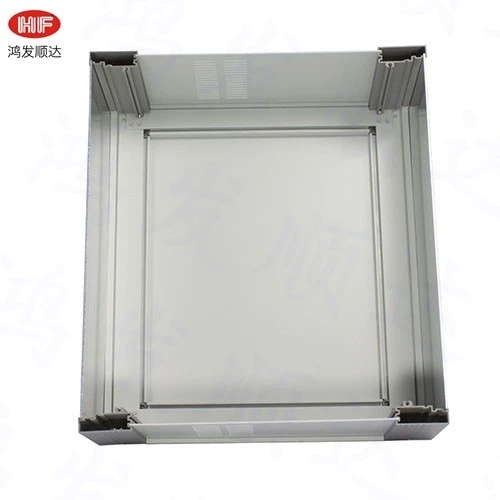
Adhesive Labels
Adhesive labels are one of the most common types of labels used in rack mount enclosures. They are easy to apply and come in a variety of sizes, shapes, and colors. Adhesive labels can be printed with text, graphics, or barcodes, making them suitable for a wide range of applications. For example, you can use adhesive labels to mark the name, model number, and serial number of each piece of equipment. You can also use them to indicate the input and output connections, power requirements, and other important information.
Engraved Labels
Engraved labels are more durable than adhesive labels and are suitable for applications where the label needs to withstand harsh environments, such as high temperatures, humidity, or exposure to chemicals. Engraved labels are made by etching the label material with a laser or mechanical cutter, creating a permanent mark that is resistant to fading, scratching, and peeling. Engraved labels are often used to mark critical equipment or components that require long-term identification.
Printed Circuit Board (PCB) Labels
PCB labels are specifically designed for use on printed circuit boards. They are typically made of a thin, flexible material that can be easily applied to the surface of the PCB. PCB labels can be printed with text, graphics, or barcodes, and are used to identify the components, connections, and functions of the PCB. PCB labels are important for troubleshooting and maintenance, as they allow technicians to quickly identify the location and function of each component on the board.
Designing Effective Labels
Once you have decided on the type of label to use, the next step is to design an effective label. Here are some tips to help you create labels that are clear, concise, and easy to read:
Use Clear and Legible Fonts
Choose a font that is easy to read from a distance and at different angles. Avoid using fancy or decorative fonts that may be difficult to decipher. Sans-serif fonts such as Arial, Helvetica, or Verdana are often a good choice for labels, as they are clean, modern, and easy to read.
Keep the Text Concise
Use short, simple sentences and avoid using jargon or technical terms that may not be understood by everyone. The label should provide the necessary information in a clear and concise manner. For example, instead of writing "Input Voltage: 110-240V AC, 50/60Hz", you can simply write "110-240V AC, 50/60Hz".
Use Contrasting Colors
Choose colors that provide a high contrast between the text and the background. This will make the label easier to read, especially in low-light conditions. For example, you can use white text on a black background or black text on a white background. Avoid using colors that are too similar, as this can make the label difficult to read.
Include Relevant Information
The label should include all the relevant information about the equipment, such as the name, model number, serial number, input and output connections, power requirements, and any other important information. You can also include a barcode or QR code on the label, which can be scanned to provide additional information about the equipment.
Labeling Best Practices
In addition to designing effective labels, there are also some best practices that you should follow when labeling the equipment in a rack mount enclosure.
Label Each Piece of Equipment
Make sure to label each piece of equipment in the enclosure, including servers, switches, routers, power supplies, and any other components. This will make it easier to identify and locate each piece of equipment, especially in a large or complex enclosure.
Use a Consistent Labeling System
Develop a consistent labeling system that is used throughout the enclosure. This will make it easier to understand and interpret the labels, and will also make it easier to maintain and update the labels over time. For example, you can use a numbering system to identify each rack, a lettering system to identify each row within the rack, and a sequential numbering system to identify each piece of equipment within the row.
Label the Input and Output Connections
In addition to labeling the equipment itself, it is also important to label the input and output connections. This will make it easier to understand the wiring and connections within the enclosure, and will also make it easier to troubleshoot and maintain the equipment. Use labels to indicate the type of connection (e.g., Ethernet, USB, HDMI), the destination or source of the connection, and any other relevant information.
Update the Labels Regularly
As the equipment in the enclosure changes or is upgraded, make sure to update the labels accordingly. This will ensure that the labels remain accurate and up-to-date, and will also help to prevent confusion and errors.
Recommended Products for Rack Mount Enclosures
As a Rack mount enclosure supplier, we offer a wide range of products that are suitable for labeling equipment in rack mount enclosures. Some of our recommended products include:
- Aluminum Enclosure Control Case Power Supply: This aluminum enclosure is designed to provide a secure and reliable housing for power supplies and other control equipment. It is available in a variety of sizes and configurations, and can be customized with labels and other accessories to meet your specific needs.
- Aluminum Sheet Case Equipment Control Box: This aluminum sheet case is a versatile and cost-effective solution for housing equipment and control boxes. It is available in a variety of sizes and shapes, and can be easily customized with labels and other accessories.
- Electronic Instrument Cabinet Housing Chassis Box Sheet Metal Enclosures: This sheet metal enclosure is designed to provide a high level of protection for electronic instruments and other sensitive equipment. It is available in a variety of sizes and configurations, and can be customized with labels and other accessories to meet your specific needs.
Conclusion
Labeling the equipment in a rack mount enclosure is an important task that can significantly enhance the efficiency, safety, and maintainability of your setup. By following the tips and best practices outlined in this blog post, you can create labels that are clear, concise, and easy to read, and that will help you to identify and locate the equipment in your enclosure quickly and easily. If you have any questions or need further assistance with labeling your rack mount enclosure, please don't hesitate to contact us. We are here to help you find the best solutions for your needs.
References
- "Rack Mount Enclosure Design and Installation Guide", Industry Standard Publications
- "Labeling Best Practices for Industrial Equipment", Manufacturing Technology Journal
- "Effective Label Design for Safety and Compliance", Safety Engineering Magazine


