


In the realm of data centers, the choice of server chassis is a critical decision that can significantly impact the efficiency, scalability, and overall performance of the infrastructure. As a supplier of 1U server chassis, I am often asked whether these compact units are suitable for small - scale data centers. In this blog post, we will delve into the characteristics of 1U server chassis, their advantages and limitations in the context of small - scale data centers, and provide insights to help you make an informed decision.
Understanding 1U Server Chassis
A 1U server chassis is a standardized form factor in the server industry. The "U" refers to a unit of measurement in rack height, where 1U is equal to 1.75 inches (44.45 mm). These chassis are designed to be installed in standard server racks, allowing for efficient use of rack space. They are typically used for housing server components such as motherboards, processors, memory, storage drives, and power supplies.
One of the key features of 1U server chassis is their compact size. This makes them an attractive option for data centers with limited physical space. They can be stacked vertically in a rack, enabling multiple servers to be housed in a relatively small footprint. Additionally, 1U chassis are often designed with a focus on energy efficiency, which can help reduce operating costs in the long run.
Advantages of 1U Server Chassis for Small - Scale Data Centers
Space Efficiency
Small - scale data centers often have limited floor space. The compact nature of 1U server chassis allows for a high density of servers to be installed in a single rack. This means that more computing power can be packed into a smaller area, making it possible to maximize the use of available space. For example, in a small office - based data center, a rack filled with 1U servers can provide sufficient processing power for the organization's needs without taking up excessive room.
Energy Efficiency
Energy consumption is a major concern for data centers of all sizes. 1U server chassis are typically designed to be energy - efficient, with features such as low - power components and optimized power management systems. This can result in significant cost savings over time, especially for small - scale data centers that may have limited budgets. By reducing energy consumption, 1U servers also contribute to a more sustainable data center environment.
Cost - Effectiveness
In addition to energy savings, 1U server chassis can be a cost - effective solution for small - scale data centers. They are generally less expensive than larger server chassis, both in terms of the initial purchase price and ongoing maintenance costs. This makes them an attractive option for organizations with limited financial resources. Moreover, the ability to stack multiple 1U servers in a rack means that more computing power can be obtained at a relatively low cost.
Ease of Installation and Maintenance
1U server chassis are designed for easy installation in standard server racks. They often come with features such as tool - less installation, which allows for quick and hassle - free setup. Additionally, maintenance is relatively straightforward, as components can be easily accessed and replaced. This is particularly important for small - scale data centers that may not have a dedicated IT staff to handle complex server maintenance tasks.
Limitations of 1U Server Chassis for Small - Scale Data Centers
Limited Expansion Capability
One of the main limitations of 1U server chassis is their limited expansion capability. Due to their compact size, there is less room for additional components such as hard drives, expansion cards, and memory modules. This can be a problem for small - scale data centers that may need to scale up their computing resources in the future. For example, if a small business experiences rapid growth and needs to increase its storage capacity, a 1U server may not be able to accommodate the additional hard drives required.
Cooling Challenges
The high density of components in a 1U server chassis can pose cooling challenges. With so many components packed into a small space, heat dissipation becomes a critical issue. Inadequate cooling can lead to overheating, which can cause system failures and reduce the lifespan of the components. Small - scale data centers may need to invest in additional cooling equipment or ensure that the data center environment is properly ventilated to address these issues.
Performance Constraints
While 1U servers can provide sufficient computing power for many small - scale applications, they may not be suitable for high - performance computing tasks. The limited space in the chassis may restrict the use of high - end components such as powerful processors and large amounts of memory. This can result in slower processing speeds and reduced overall performance, which may not be acceptable for applications that require high levels of computational power.
When 1U Server Chassis Are a Good Fit for Small - Scale Data Centers
1U server chassis are a good fit for small - scale data centers in several scenarios. If the data center has limited physical space and the computing requirements are relatively modest, 1U servers can provide a cost - effective and space - efficient solution. For example, a small e - commerce business that needs to host a simple website and manage customer orders may find that a rack of 1U servers is sufficient to meet its needs.
Another situation where 1U server chassis are suitable is when energy efficiency and cost - effectiveness are top priorities. Small - scale data centers with limited budgets can benefit from the low energy consumption and relatively low purchase price of 1U servers. Additionally, if the data center has a relatively stable computing load and does not require frequent expansion, 1U servers can provide a reliable and efficient solution.
Related Products for Small - Scale Data Centers
In addition to 1U server chassis, there are other products that can be used in small - scale data centers. For example, Diecast Aluminum Extrusion Enclosures Box are a great option for housing electronic components. They offer excellent protection against environmental factors such as dust, moisture, and electromagnetic interference.
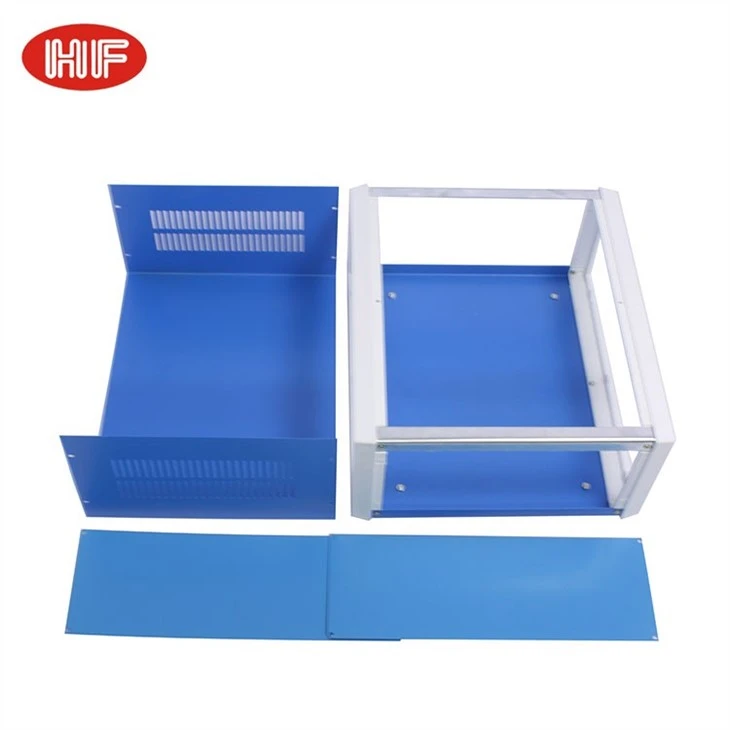
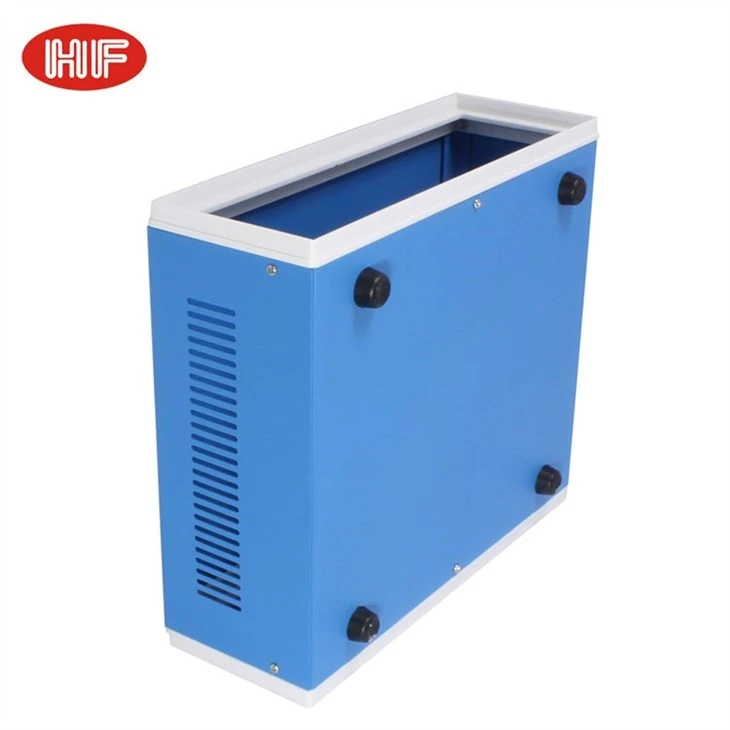
Electronic Desktop Metal Case Plastic Frame are also suitable for small - scale data centers. These cases are designed for desktop applications and can provide a cost - effective solution for housing servers and other electronic equipment.
Factory Suppliers Aluminum Extruded Electronic Housing Electronic Devices are another product that can be used in small - scale data centers. They are made from high - quality aluminum and offer a lightweight and durable solution for housing electronic devices.
Conclusion
In conclusion, 1U server chassis can be a suitable option for small - scale data centers, depending on the specific requirements of the organization. They offer several advantages such as space efficiency, energy efficiency, cost - effectiveness, and ease of installation and maintenance. However, they also have some limitations, including limited expansion capability, cooling challenges, and performance constraints.
If you are considering using 1U server chassis in your small - scale data center, it is important to carefully evaluate your computing requirements, space constraints, and budget. By doing so, you can determine whether 1U servers are the right choice for your organization.
If you are interested in learning more about our 1U server chassis or other related products, we encourage you to contact us for a detailed discussion. Our team of experts can provide you with the information and support you need to make an informed decision. We look forward to the opportunity to work with you and help you build a more efficient and cost - effective small - scale data center.
References
- Smith, J. (2020). Server Chassis Selection Guide for Small - Scale Data Centers. IT Journal.
- Johnson, A. (2019). Energy Efficiency in 1U Server Chassis. Data Center Insights.
- Brown, C. (2018). The Future of Small - Scale Data Centers. Technology Review.


